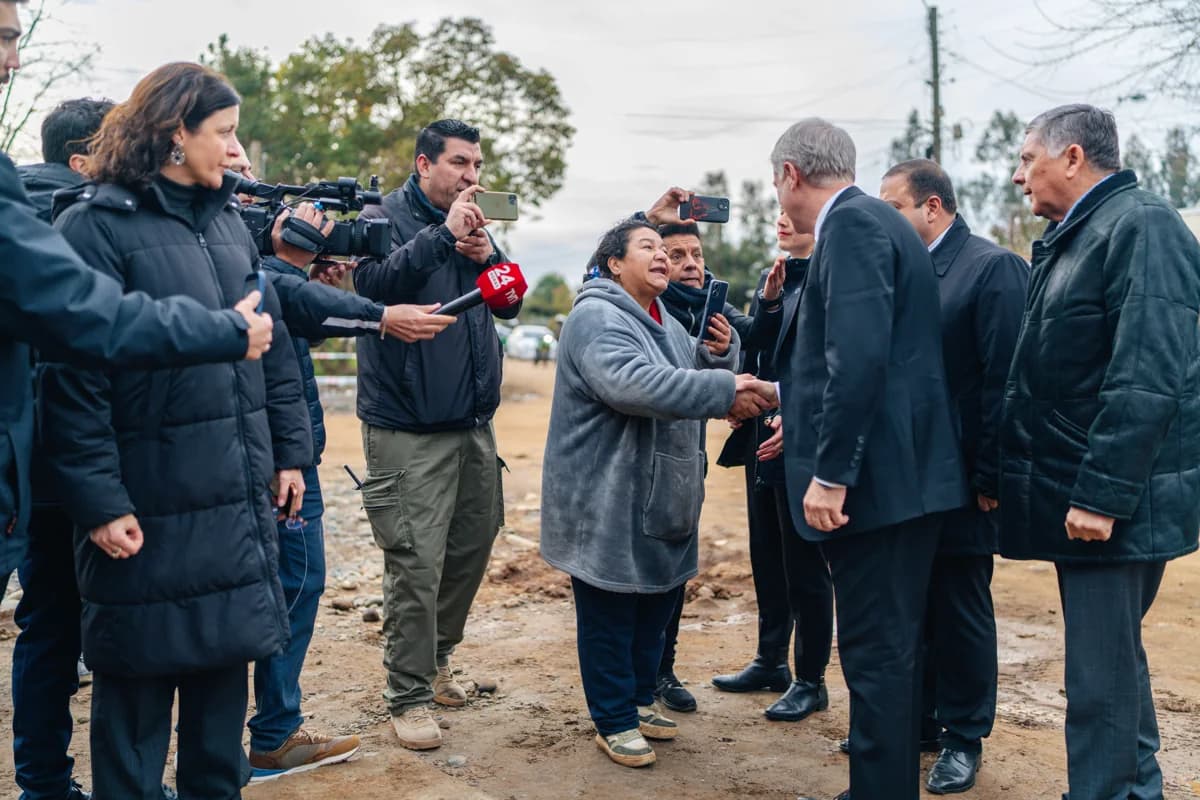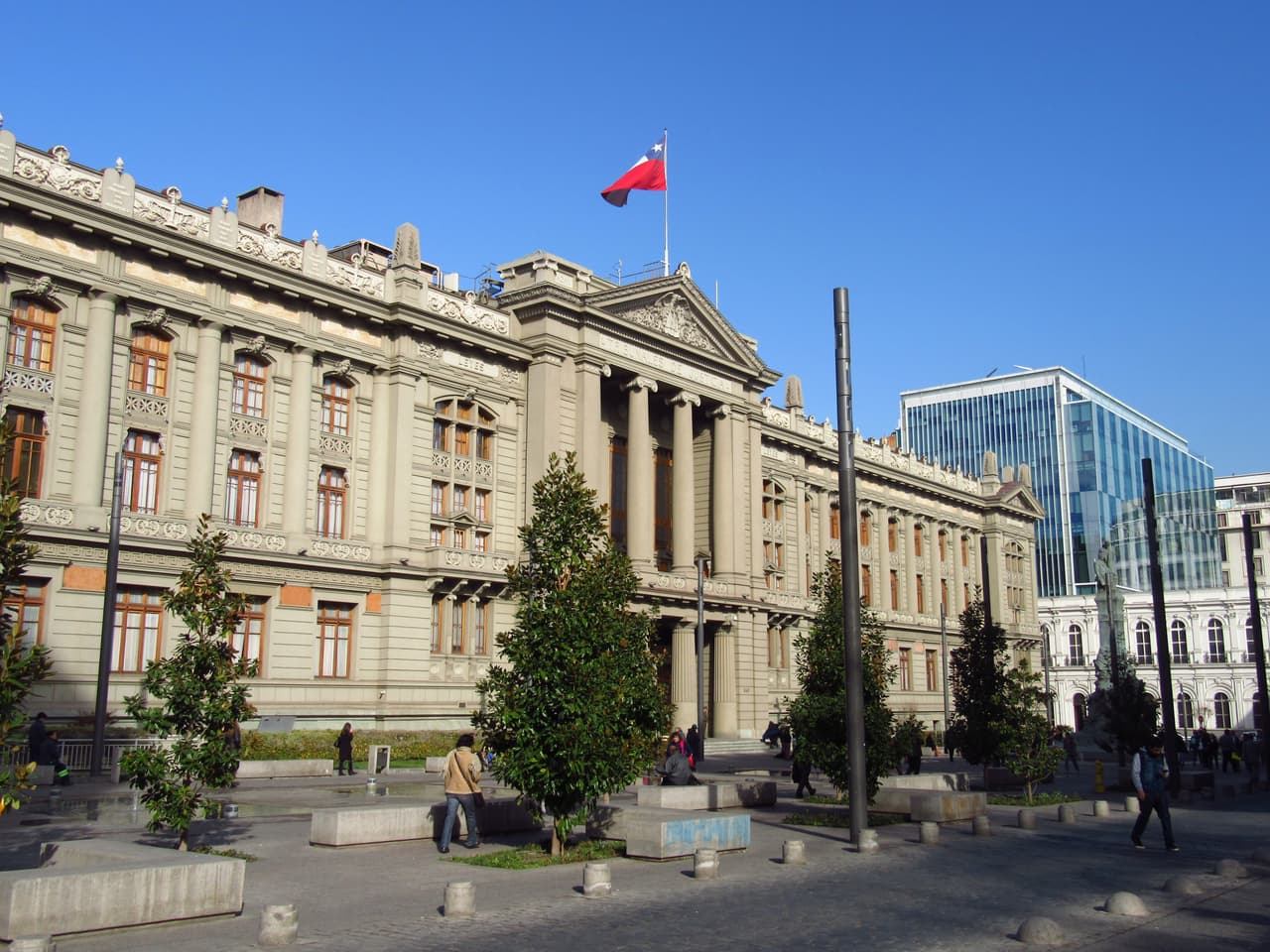
Socialist senators Alfonso de Urresti and Paulina Vodanovic lined up their caucus on Tuesday to save Marisol Rojas's appointment to the Corte Suprema (Chile's Supreme Court), according to La Tercera. Rojas is a justice and the president of the Corte de Apelaciones de Santiago (Santiago Court of Appeals). At midday, her appointment looked lost.
The Senado (Chile's Senate) approved her with 35 votes, above the two-thirds required by law. Rojas will fill the vacancy left by former justice María Teresa Letelier. It was the second Supreme Court appointment made by the ministro de Justicia (Minister of Justice), Fernando Rabat.
The conflict began with the nomination. The government put Rojas forward as a name for the center-left's seat. The opposition never accepted this and always regarded her as a right-wing judge. Rabat insisted he had known her for decades, from his work as a litigator before the Santiago court.
In the Comisión de Constitución (the Senate's Constitution Committee), senators Claudia Pascual (PC) and Paulina Vodanovic (PS) abstained. Before that committee, the judge answered directly: "I have no political leaning, I am a judge".
The vote had been scheduled for last week. However, the Executive postponed it because it knew some left-wing senators were seeking to reject her on the floor.
On Tuesday the vote was set for 15.00. At midday, Rabat learned that a rejection was very likely. According to Senate sources cited by the newspaper, the minister was outraged that political calculation was still shaping Supreme Court appointments. That calculation came into question after the scandal of the Belarusian plot and the cases of Luis Hermosilla and Antonio Ulloa.
The government considered withdrawing the nomination. Rabat refused. He enlisted the Secretaría General de la Presidencia (Segpres, the ministry in charge of relations with Congress) to make a final push.
That is when De Urresti stepped in. The senator sat on the Comisión de Constitución in the previous term and has extensive judicial networks, although he has been off that committee since March. According to La Tercera, he helped calm those who wanted to deal a blow to the Executive.
His argument was that an appellate court justice with a long track record did not deserve a rejection that would cost her career. However, Senate sources say he also pressed his interest in appointments to the environmental courts. Vodanovic joined those efforts.
The exact price of the deal is unclear. According to the newspaper, both made clear to Rabat that Rojas was not from their camp. They also sealed an agreement that the next seat must go to someone close to the center-left.
The Socialist caucus fell into line. Senator Daniela Cicardini (PS) was at the Senate but did not enter the chamber when the vote was held.
The winners and losers are plain to see. The government got its candidate and avoided a setback. The PS secured a commitment for the next quina, the list of five candidates the Corte Suprema sends to the Executive. The harder left was left out of the deal.
That discontent was put on record. Voting against were Claudia Pascual and Daniel Núñez (PC), Diego Ibáñez and Beatriz Sánchez (Frente Amplio) and Yasna Provoste (DC). According to opposition sources, they sought to make clear that this is an appointment for the right, with an eye on the next quina.