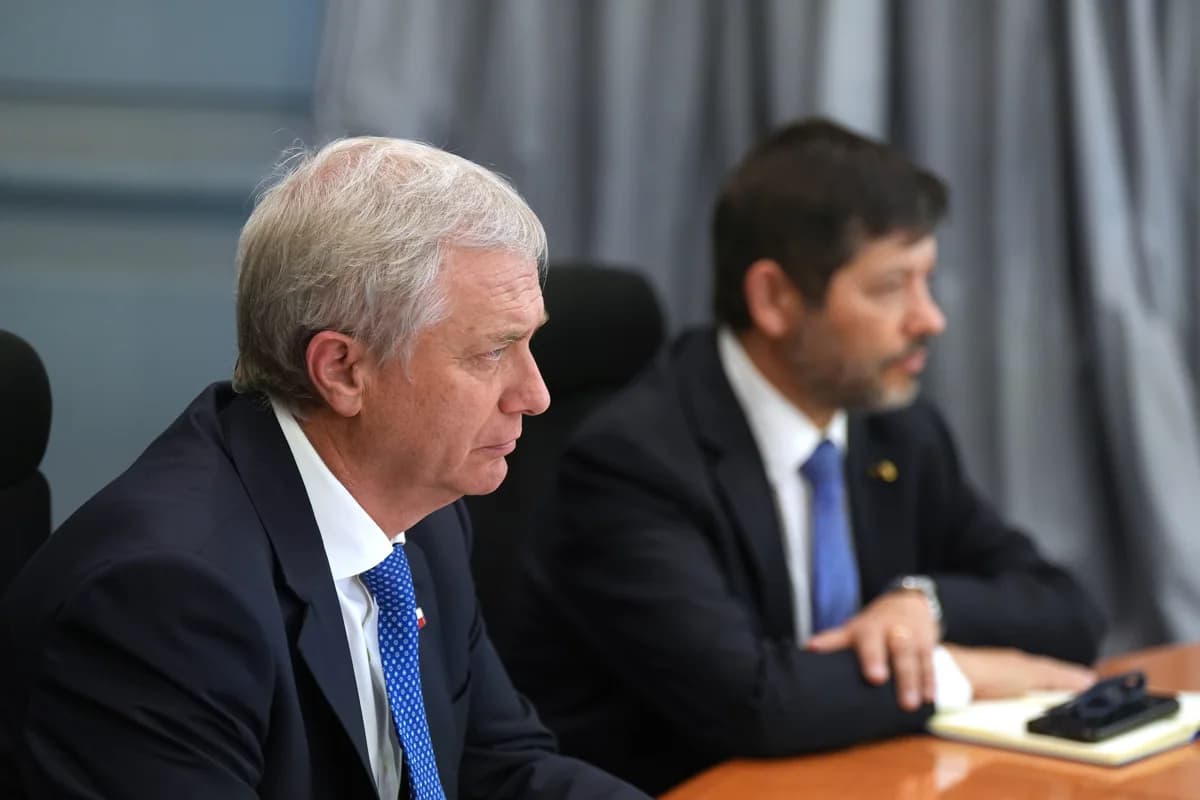
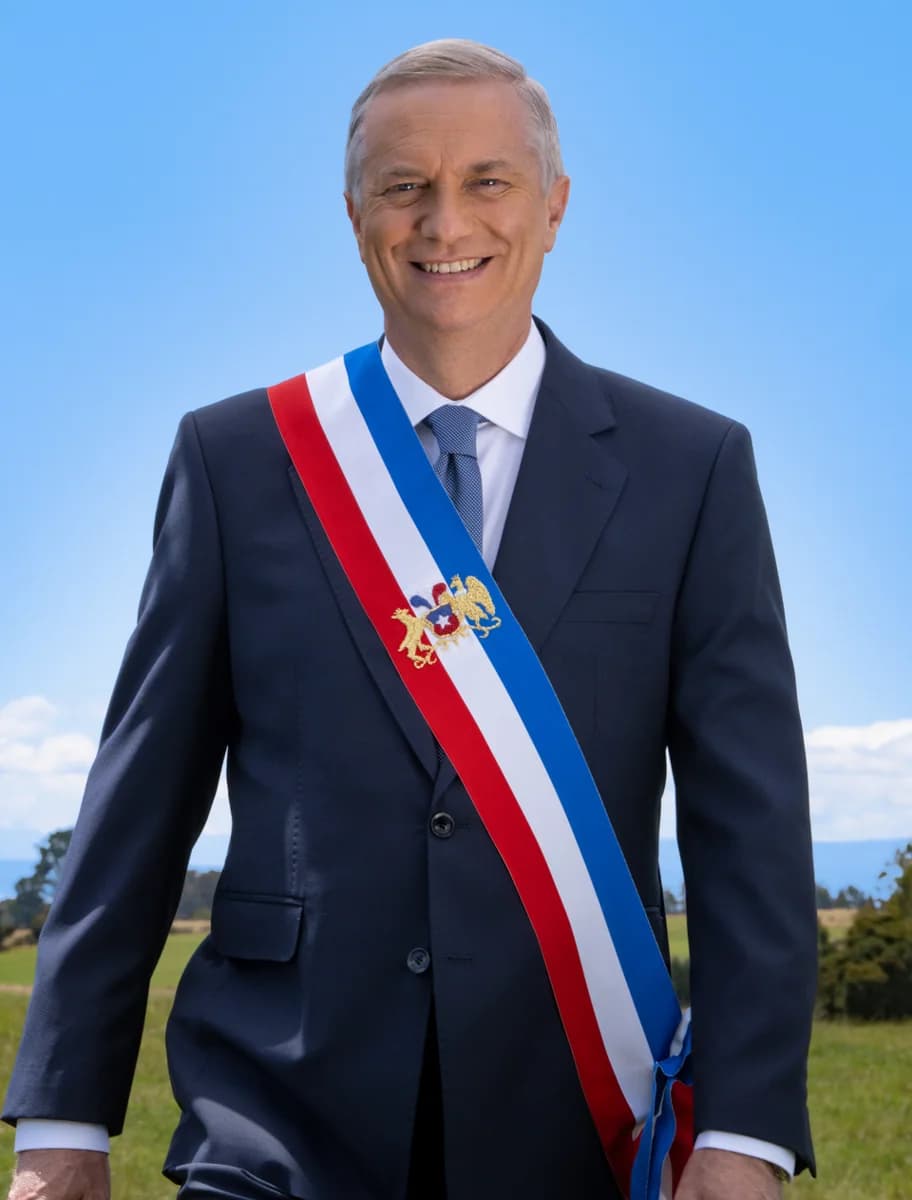
President José Antonio Kast has recorded his lowest approval rating since taking office in March, according to El Mostrador. The latest Criteria poll puts him at 27% approval and 64% disapproval. The results resemble those of last week's Cadem poll.
The figure stands out given his starting point. Kast arrived at La Moneda with the highest vote total since the return to democracy in 1990. Seven months later, 82% of respondents believe the government has fallen short of expectations.
"In Chile, the usual pattern is for the decline in support to materialize in the second year," Marcelo Mella, director of the Department of Political Studies at the University of Santiago (USACH), told German broadcaster DW. The academic described the phenomenon as "largely unprecedented".
Mella takes the historical comparison further. He argues that Kast now has a higher disapproval rating than Gabriel Boric had after losing the referendum on the draft constitution from the first constitutional process in 2022.
Claudia Heiss, an academic at the University of Chile's Faculty of Government, points to a sense of poor management and a lack of political experience. She says the discontent extends to right-wing voters themselves, whose support is falling sharply in the polls.
One factor the analysts mention is the decision not to form a coalition government. Kast, leader of the Republican Party, criticized the traditional political forces and now struggles to reach agreements. The executive branch relies on ad hoc parliamentary deals and faces indiscipline within the governing bloc, especially on the more moderate right.
The cabinet's composition adds to the problems. The academics cite inexperienced ministers, disputed appointments, turnover in posts, ill-judged statements and friction with Congress. Mella warns that, with less public support, legislative agreements will come at a higher cost.
Security, the centerpiece of the campaign, has emerged as a weakness. According to Cadem, 53% believe crime increased over the past six months, compared with 40% who thought so in August. Mella recalled that the Security Minister acknowledged shortly after taking office that they had no plan for the sector.
"The idea is taking hold that the government is lying and improvising," Mella said. Heiss added that public policies offer gradual solutions and that "magic solutions" are an illusion.
On the economy, the plan to revive growth through fiscal savings and private investment has failed to convince, according to the analysts. Heiss mentions the rise in gasoline prices, which the government decided to pass on to consumers, alongside higher unemployment, a high cost of living and stagnant wages.
The cuts affect health, education, science, culture, scholarships, cash benefits and subsidies. They also include the closure of a program for women and the end of a scheme that provided computers to low-income schoolchildren for 17 years.
The source includes no reactions to these figures from the government, the governing bloc or the opposition. Mella predicts that, as public support falls, the cost of each parliamentary agreement will continue to rise.