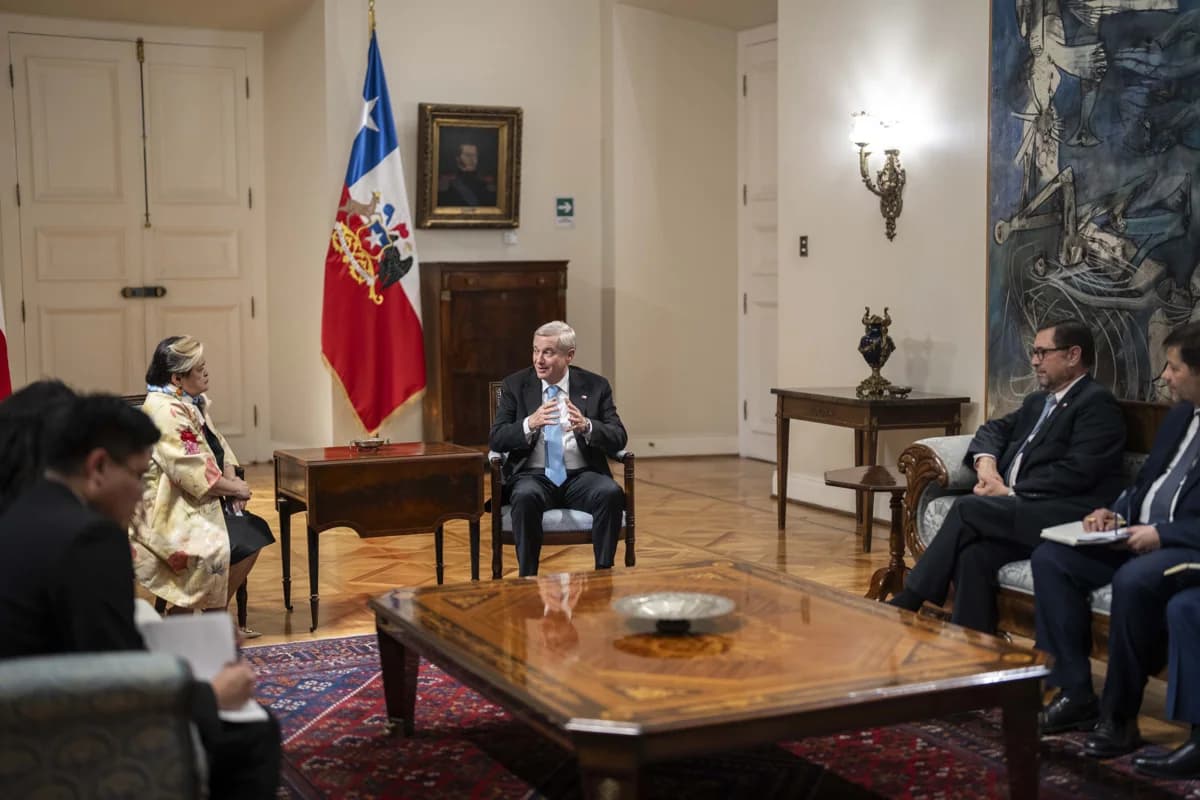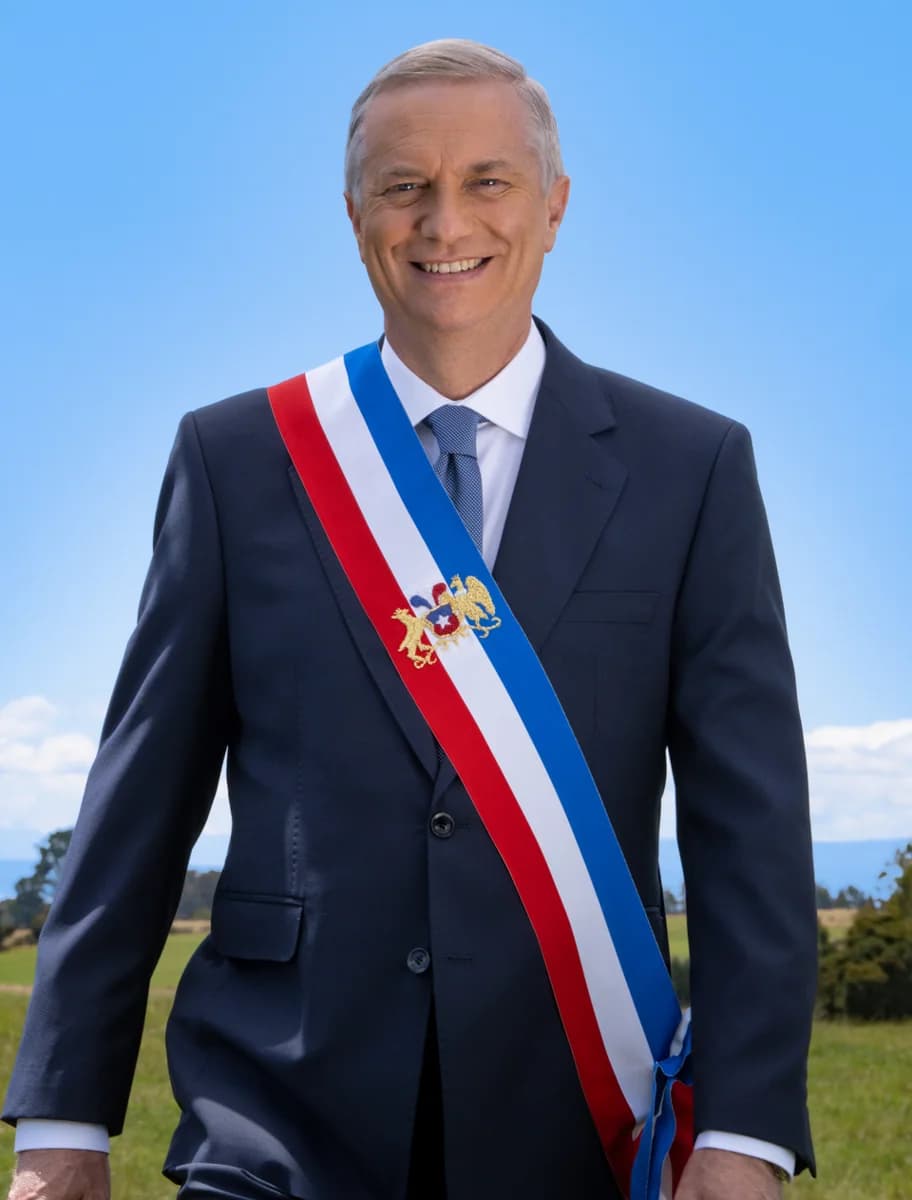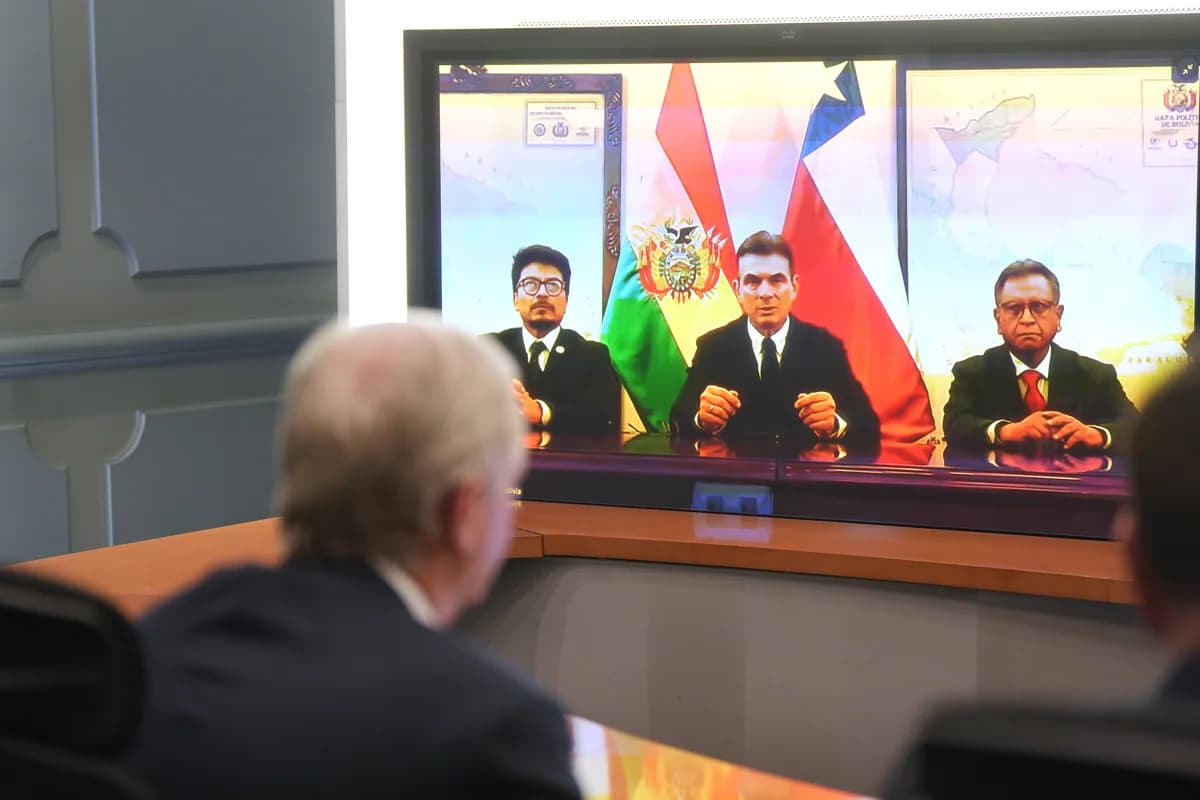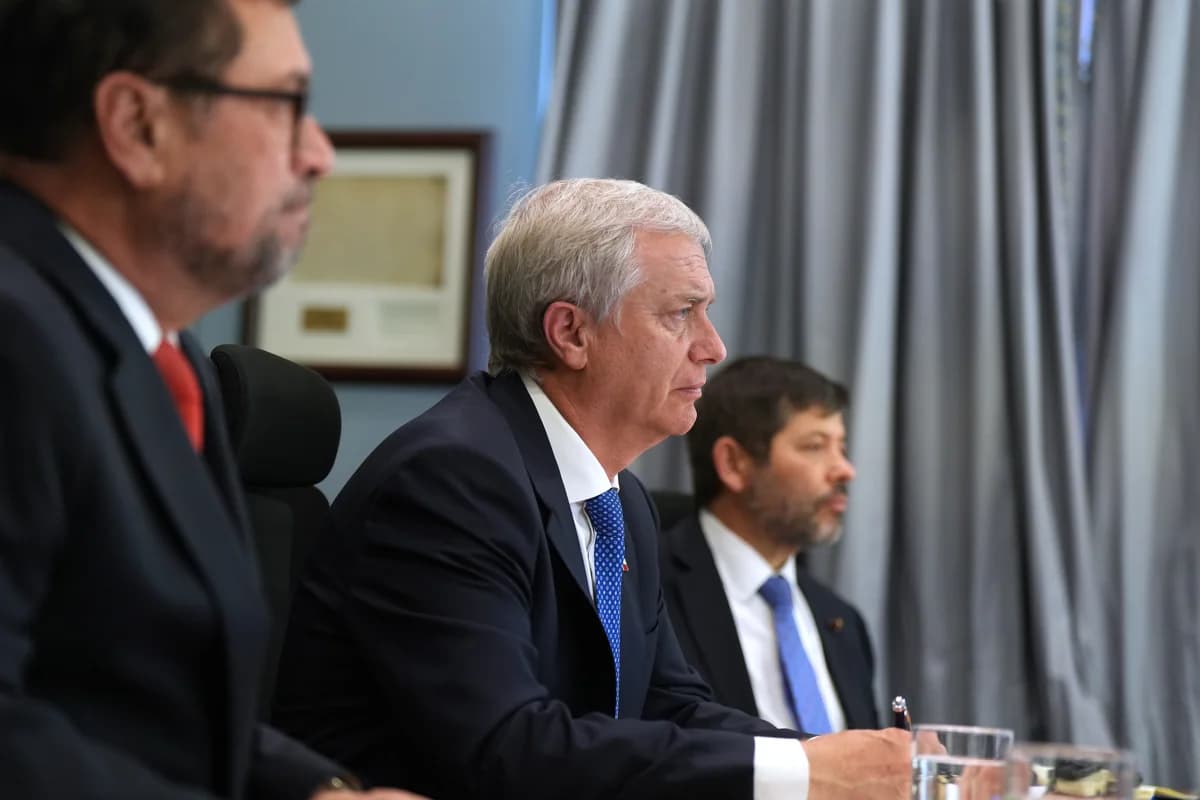
According to Emol, members of the Comisión de Relaciones Exteriores (Foreign Relations Committee) of the Cámara (Chile's Chamber of Deputies) gave cross-party backing to President José Antonio Kast's visit to Bolivia on Friday. However, several stressed that Bolivia's maritime claim has no place on the bilateral agenda.
The trip carries historical weight. Kast is the first Chilean president to visit Bolivia in 71 years, since Carlos Ibáñez del Campo travelled there in 1955. In La Paz, the Gobierno Autónomo Departamental (the departmental government) declared him a distinguished guest and presented him with a plaque.
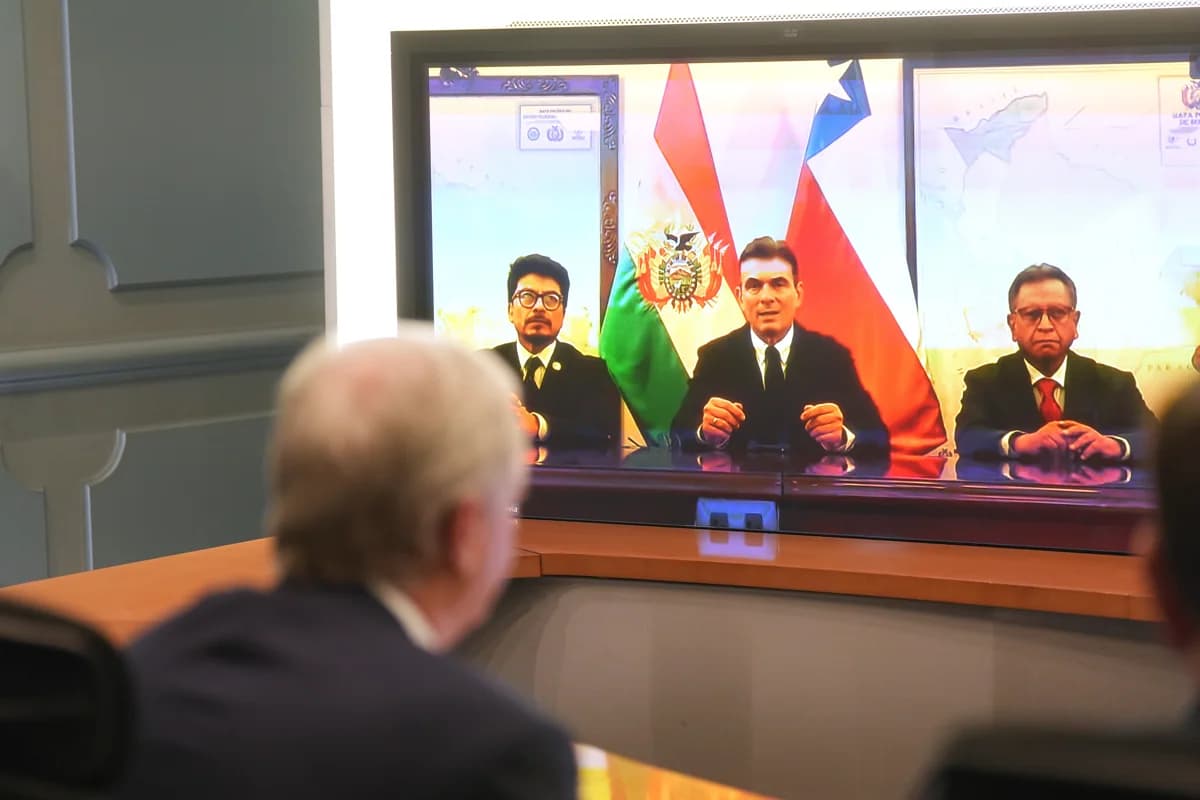
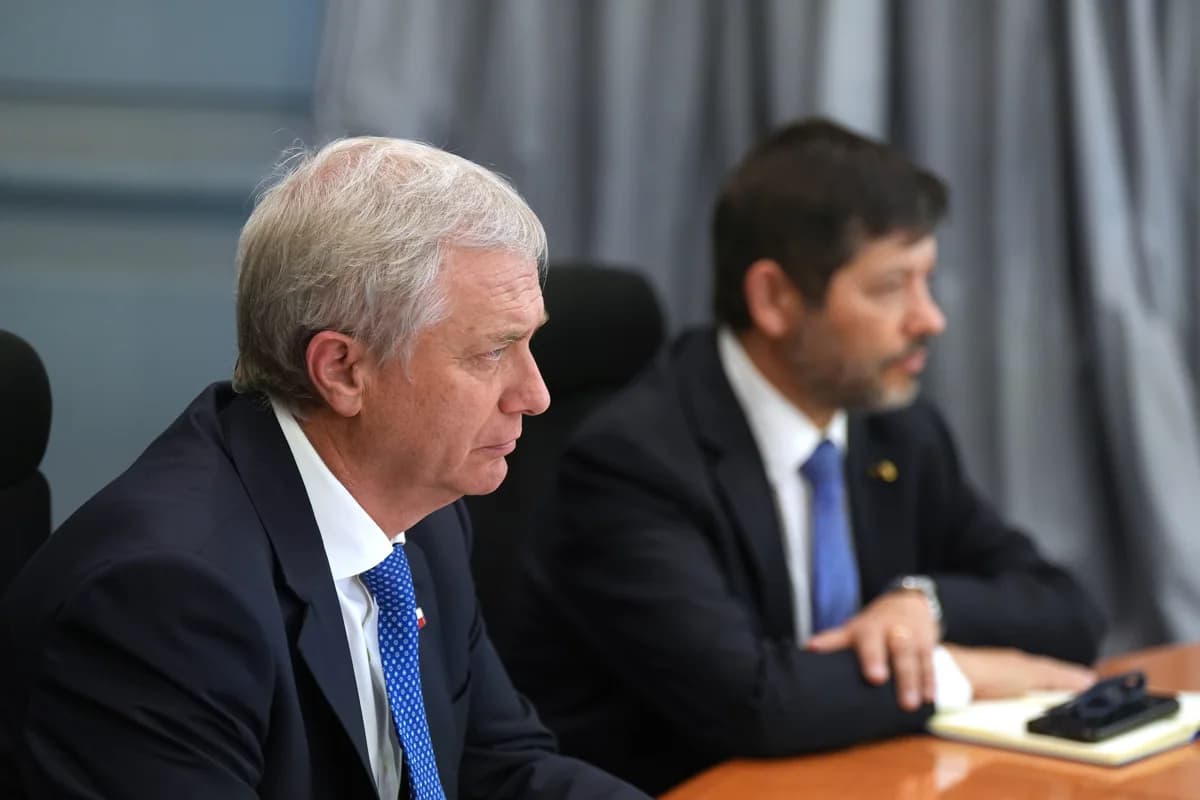
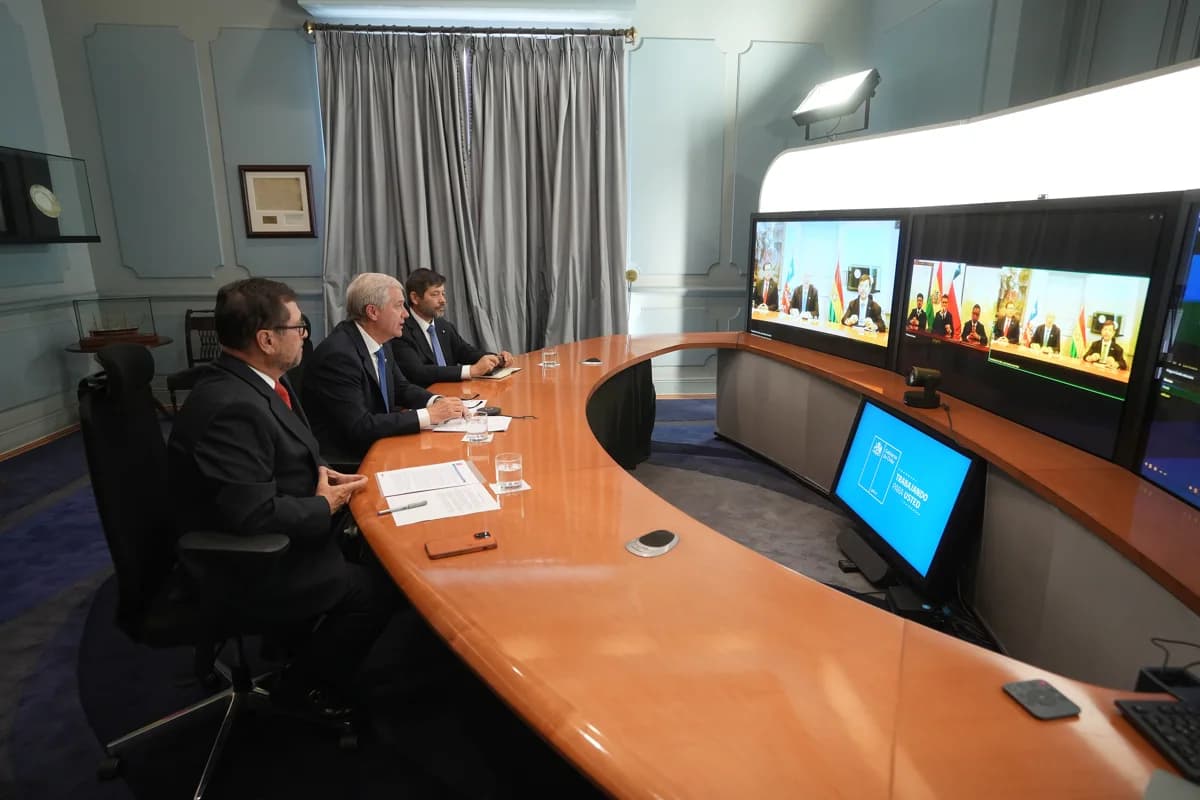
According to the outlet, Kast and Bolivian President Rodrigo Paz held a bilateral meeting. Paz thanked Chile for the aid it provided in June 2026 to deal with the crisis caused by prolonged protests and roadblocks in his country.
Kast invited Paz to Chile. The Bolivian president accepted, and the visit is expected in the first quarter of next year. Both announced a new stage in the relationship, which will move forward gradually with the goal of restoring ties at the highest diplomatic level. Chile and Bolivia have not had full diplomatic relations for decades.
The agenda included the signing of four agreements: a memorandum of cooperation on mining, terms of reference for a trade agreement and a joint declaration on energy integration. Emol's report lists the trade agreement twice and does not specify the fourth instrument.
From the governing coalition, Republican deputy Cristián Araya spoke of "a historic milestone that shows a commitment to building the future". In his view, past differences should not prevent joint work on security, border control, migration and the economy.
Catalina del Real and Republican Stephan Schubert welcomed the step but set limits. Del Real said that "for Chile, our sovereignty is not up for discussion". She was referring to the 2018 ruling by the International Court of Justice, which established that Chile has no obligation to negotiate sovereign access to the sea. Schubert noted that the claim was "completely rejected by the court".
Juan Carlos Beltrán, of Renovación Nacional (RN, a center-right party), backed the President's effort. He said the relationship must be built on mutual respect, legal certainty and compliance with international commitments, without giving ground on the protection of sovereignty.
The opposition also welcomed the gesture, though with a different emphasis. Raúl Soto, of the Partido por la Democracia (PPD, a center-left party), celebrated the restoration of ties and highlighted the economic and trade issues discussed. However, he called for caution in light of historical differences.
Zandra Parisi, of the Partido de la Gente (PDG, a populist party), described the meeting as historic and called for the relationship to extend beyond the current government. "It opens an opportunity that both our countries must seize," she said.
Socialist Raúl Leiva highlighted the possibility of a bioceanic corridor in the near term and described the visit as beneficial for Chile. He warned, however, that the relationship must not become "a pact of an ideological nature" between like-minded presidents.
The next concrete milestone is Rodrigo Paz's visit to Chile, scheduled for the first quarter of 2027. It will test whether the agreements signed in La Paz move forward without the maritime issue straining the relationship again.