
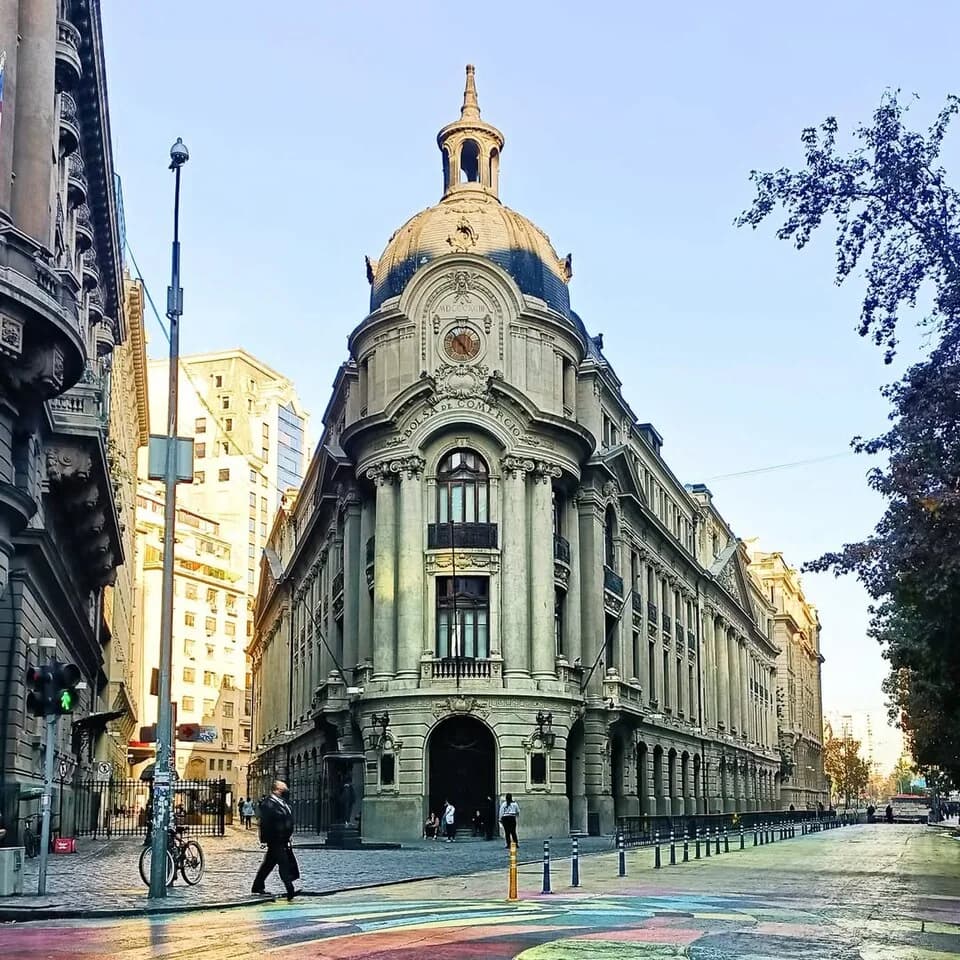
According to Cooperativa, academic Nicolás Román, of the Faculty of Economics and Business at the Universidad de Los Andes, warned on Saturday that Chile faces a chain of shocks that will keep pushing up the cost of living. He made the remarks in an interview with El Diario de Cooperativa, in a week that saw another fuel price increase.
The first front is energy. According to the outlet, the fifth consecutive increase brought diesel to historic parity with gasoline. This weighs more than it seems: Chile consumes about 60 million liters of diesel per day, compared with some 14 million of gasoline, according to the report.
The difference matters because diesel powers the trucks that carry almost everything you buy. When it rises, the increase passes quickly into the real economy, like a leak that ends up soaking the whole house.
Román attributes the problem to external factors. "There are several things working strongly against Chile, and they are mostly exogenous," he said. He mentioned the conflict in the Middle East, the war in Ukraine and the Persian Gulf war, where, according to him, facilities that process crude into diesel have been destroyed.
He added a relative shortage of diesel and an exchange rate he described as extremely high. For reference, in recent days the dollar closed at $993.5 in Chile, its highest level since April 2025, pushed by Brent crude (the international benchmark), which rose above US$113 per barrel.
The second front is the weather. Storms and the El Niño phenomenon damaged roads, bridges and access routes in the south-central zone. That makes transporting mining output, timber, salmon and agricultural goods more expensive and slower.
With lower production and costlier freight, the academic expects "gradual increases in all food prices, because those foods are transported in trucks that require diesel." Put simply, the supermarket bill would tend to rise little by little.
The third effect reaches credit. The Banco Central de Chile (Chile's central bank) has an inflation target of 4% per year, measured by the Consumer Price Index (IPC). Román estimates that "it is going to be very hard for us to get there." The source does not report the current inflation figure.
If prices do not ease, the Banco Central would have less room to lower the cost of money. According to Román, that means high interest rates, which affect the middle class through mortgages, consumer loans and credit cards.
Asked about the Government's projections and the reforms for growth and employment, the academic said any genuine recovery will require unlocking private investment and rebuilding household consumption.