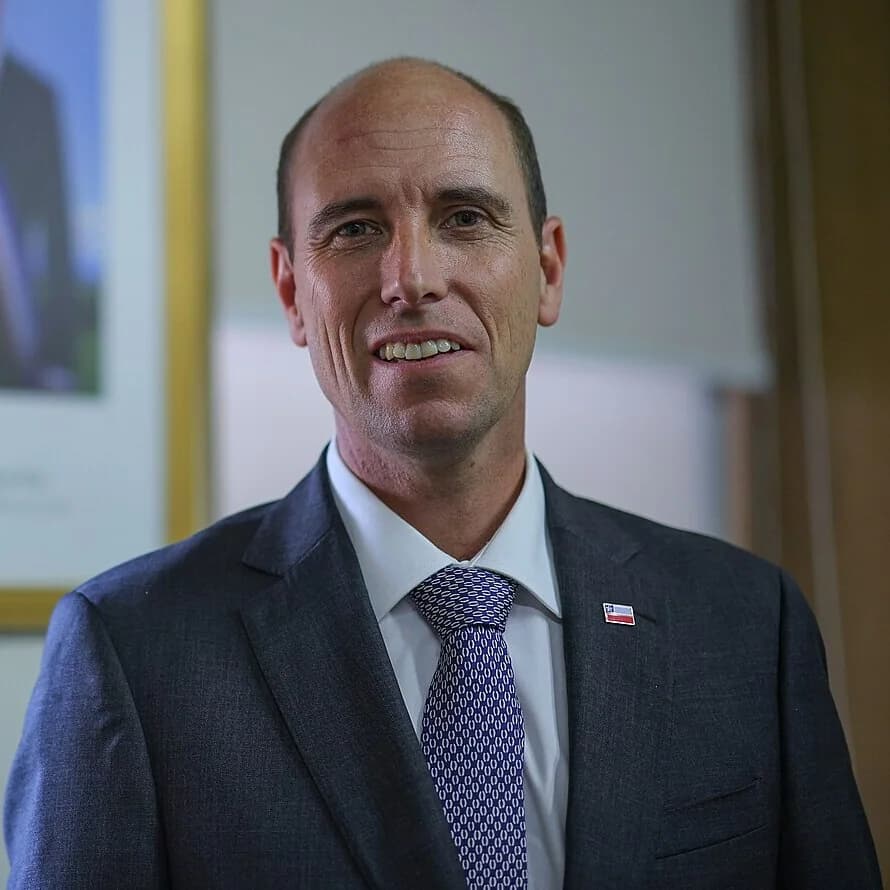
Chilean police arrested 28 people during the march on Monday, October 12, in central Santiago. Minister of Public Security Martín Arrau announced the figure and condemned the incidents that occurred during the day.
According to CNN Chile, hundreds of people and Indigenous organizations marched from the area around Santa Lucía Hill toward Alameda. Their demands included territorial autonomy, demilitarization, protection of the Lafkenche Law and Indigenous rights. The Lafkenche Law regulates Indigenous peoples' coastal marine areas.
The outlet reported that much of the march proceeded normally. However, isolated groups erected barricades, damaged public and private property and threw stones, flares and other objects at police officers at various locations downtown.
Chilean police responded with water cannon vehicles and chemical irritants to disperse those involved in the unrest. Authorities later reopened Alameda to traffic, according to T13.
The first police update, issued at 14:30, reported 17 people arrested. Of those, 14 were apprehended before the march began, under what the institution called a strategic mitigation program. The other three were arrested during the demonstration.
Police linked those arrests to public disorder, the launching of fireworks, resistance to police action and concealment of identity. As of that report, the institution had recorded no injured officers.
Later, Arrau updated the figure. "So far, Chilean police have recorded 28 arrests, and those detained will have to face justice," the minister said. He added that "no cause or commemoration justifies violence" and that the government's support for the Chilean police "is total".
The sources do not report the alleged offenses attributed to the 11 additional detainees or whether anyone was injured after the first report. The detainees are at the first stage of the proceedings: the next step is a detention review hearing, at which a pretrial judge reviews whether the arrest was lawful and the Prosecutor's Office decides whether to formally notify them of an investigation against them. No source has yet specified when those hearings will take place.