General Sebastián García-Huidobro, commanding general of the Army Garrison of the Región Metropolitana (the Santiago metropolitan region), told La Tercera that the institution has "resources in a condition to react or act for other emergencies". The officer had been in charge of the area hit by the mudslide in Las Condes since October 8.
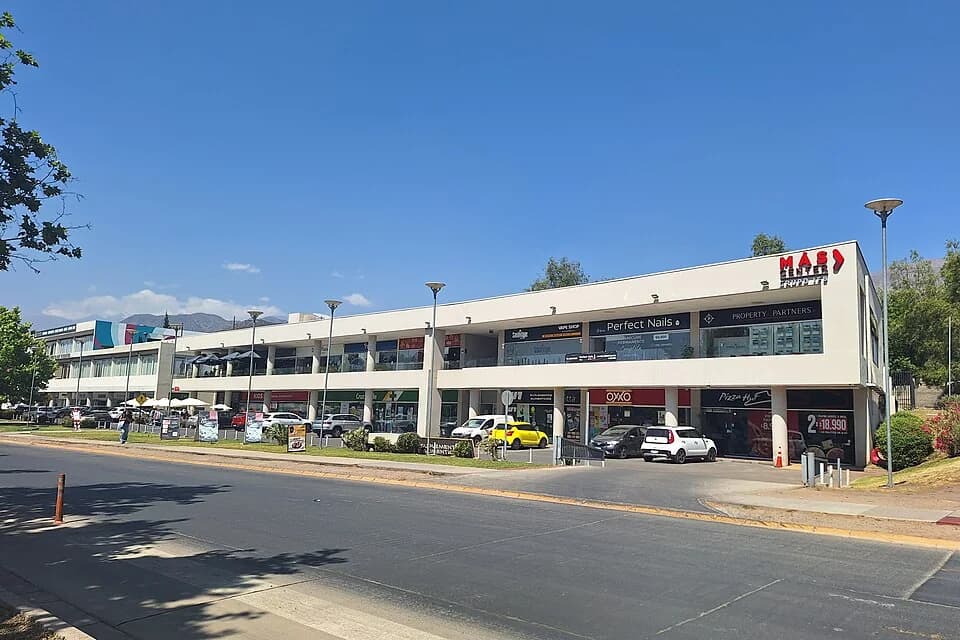
That day the government declared a disaster zone in the comuna (municipality) after rains triggered a mudslide in the San Carlos de Apoquindo area. At around 17.00, a torrent of water, mud and rocks began flowing down Quebrada Honda. Vehicles were trapped, homes were damaged and people were evacuated.
García-Huidobro led 200 troops a day who cleared debris and coordinated the deployment. He first saw the emergency on television. "When I had the chance to fly over the area I could see the scale of the phenomenon", he told the outlet. He said he does not recall having been directly involved in a similar situation.
The hardest-hit areas were Camino del Alba, General Blanche and Quebrada Honda, three parallel avenues down which the flow rushed with force. Mud and debris reached gated communities of 10 to 12 houses. Because the land is on a slope, many homes were built below street level. Some houses were left with mud two or three meters high.
According to the general, no rescues were needed. There were students at the Universidad de Los Andes and at Duoc UC, but they were able to leave on their own. The most serious case he learned of was a one-year-old girl who broke an arm.
The deployment brought together personnel and equipment from the Tacna regiment, vehicles from the Buin regiment and teams from the Tejas Verdes and Yungay Engineering Schools. The officer explained that the Army maintains plans that it constantly updates and that it chose its resources according to the characteristics of the event.
For the general, a three-day exercise held in late May at the Academia de Guerra (War Academy) in La Reina was key. It involved the Army, Carabineros (Chile's national police), the Policía de Investigaciones (PDI, the investigative police), seremis (regional ministerial secretariats) and the Delegación Presidencial (Presidential Delegation), which simulated rains, river overflows and road diversions. "It helped us get to know each other", he said.
The officer estimates the area will need a couple of months to return to normal. Streets still need to be cleared of mud and dust, a task for the municipality, and homes must be repaired. Some businesses suffered total losses.
On future preparedness, García-Huidobro said the Army keeps resources in Colina, the Cajón del Maipo, Las Condes and Talagante. He recalled that a couple of months ago the institution moved its resources in advance to the province of Huasco and to Coquimbo, before the constitutional state of exception was declared.
The general also said residents helped the soldiers with water, sandwiches and coffee. He said he was satisfied with the contingent's work. The excerpt published by La Tercera cuts off as the officer begins to talk about what happened on October 12.