According to El Mostrador, Minister Louis de Grange stated that the containment mesh barriers in San Carlos de Apoquindo, in Las Condes, could not cope with the latest mudslide. Hours later, Mayor Catalina San Martín clarified that those structures had not yet been installed.
The controversy began on Friday morning. In an interview with Radio Duna, De Grange said: "In Las Condes, a channel was cleared, dynamic mesh barriers were also installed, but the scale of the disaster is so great that they simply cannot cope".
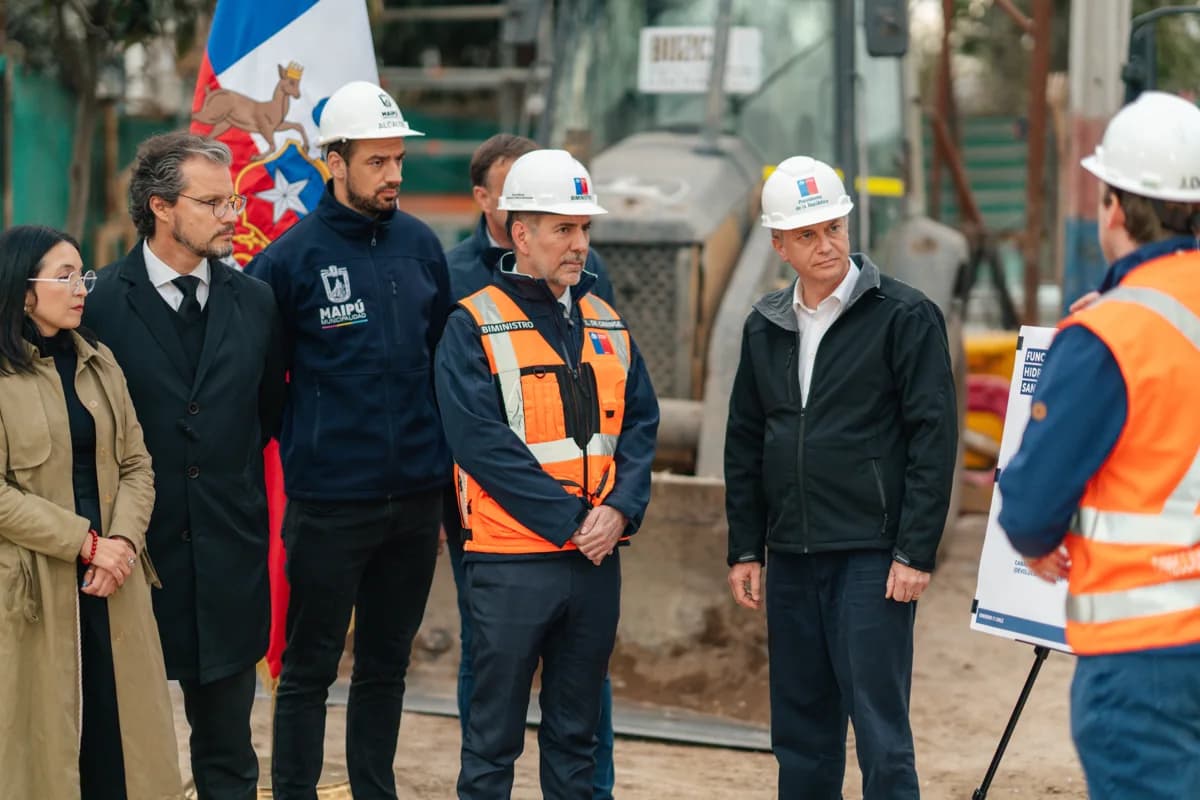
The mayor gave a different account. She explained that the contract to install the dynamic mesh barriers had already been signed, but access roads to the ravines still had to be prepared. She specified that installation "was starting tomorrow". She also said: "I know it is slow, but by government standards, the installation is quick".
De Grange later corrected his account. He acknowledged that the work was at a preliminary stage, focused on clearing the ravines. He defended coordination between authorities and stated that "these events are unpredictable".
The mudslide swept away vehicles, affected homes and damaged educational establishments and healthcare facilities in the municipality. According to information compiled by T13 and cited by El Mostrador, the municipality had planned dynamic barriers in the burned ravines, but they were not operational at the time of the emergency.
There had been earlier signs of the risk. On December 29, 2025, a wildfire began in the mountainous area of San Carlos de Apoquindo. It lasted four days and burned approximately a thousand hectares of vegetation, leaving the soil exposed to erosion.
On January 31, 2026, rainfall totaling 75 millimeters in one hour and 20 minutes triggered flows in the ravines. That first mudslide affected eight hectares of urban land, approximately four kilometers of streets and 11 homes. The flow descended through Quebrada Honda to Francisco Bulnes Correa Avenue.
In February, mountaineer Carlos Valdivia documented the accumulation of sediment and large unstable rocks in the area. On February 11, the National Geology and Mining Service (Sernageomin) classified the area as being at high risk of mass movements, roughly eight months before the new emergency.
The report examined the La Honda, Grande, Los Almendros and Apoquindo ravines. It concluded that what happened in January was "a reactivation of processes in a highly susceptible area". It identified intense rainfall, steep slopes, loss of vegetation and shortcomings in mitigation infrastructure.
Questions remain unanswered. The source does not specify when the mesh barrier contract was signed, how much it costs or why preparing access routes took months after Sernageomin's warning. Nor does it clarify where De Grange obtained the information he gave on the radio.