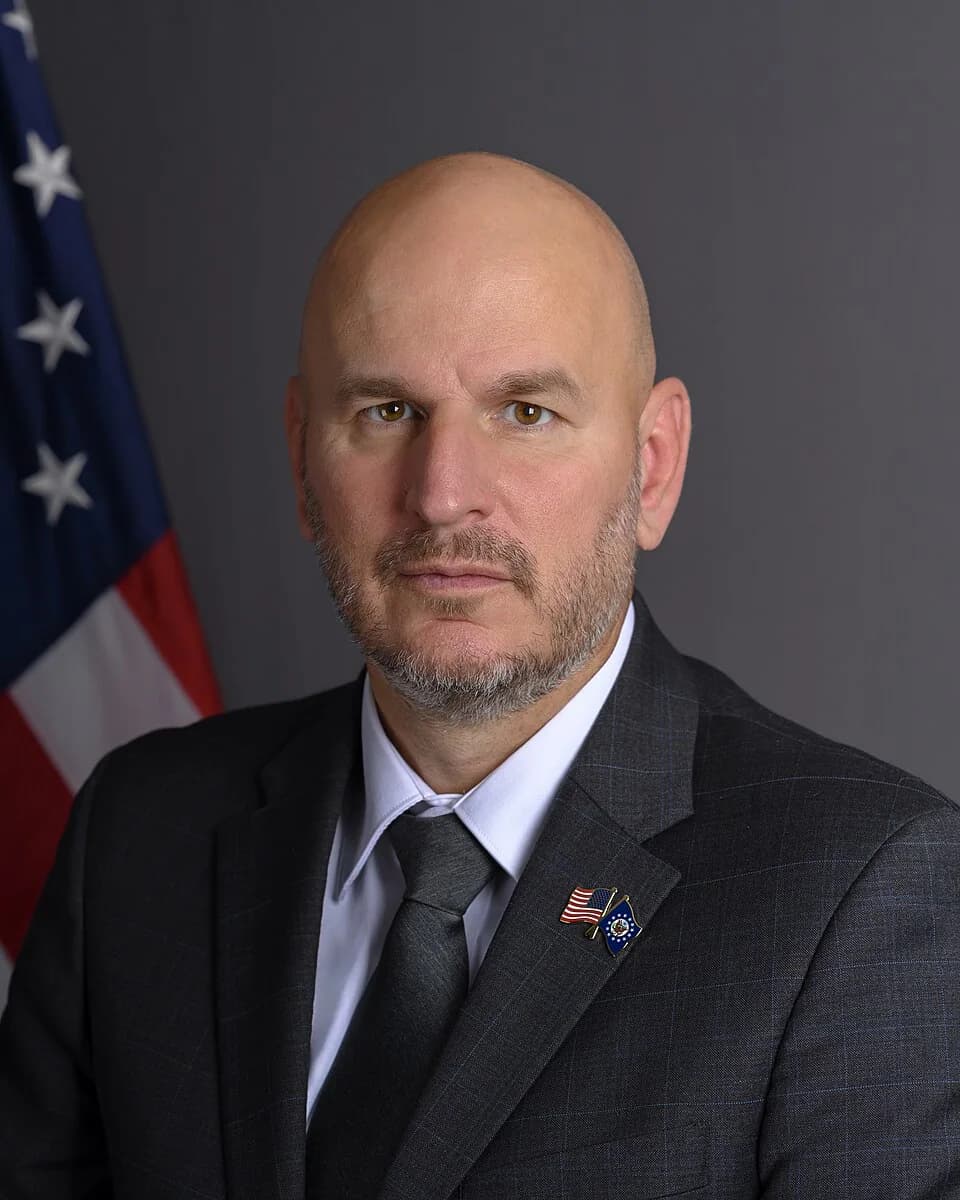
The caucus of Communist Party (PC) and independent deputies demanded on Thursday afternoon that the United States ambassador to Chile, Brandon Judd, leave the country. The reason was his remarks about Antarctica. According to the diplomat, "there is no Antarctica that belongs to Chile".
According to La Tercera, the caucus set out its position in a public statement. It was signed by its leader, Daniela Serrano, and deputy leader, Ana María Gazmuri.
The deputies maintained that Judd "presumes to tell Chile what its rights are and how far its sovereign interests extend". They also said this was not an isolated incident, but "repeated conduct" that they consider unacceptable in a foreign diplomatic representative.
The caucus's central argument is legal. The lawmakers recalled that Chile maintains a longstanding position on the Chilean Antarctic Territory. They also cited the Antarctic Treaty, the international agreement invoked by the ambassador himself. According to the deputies, that text establishes that signing it does not entail relinquishing sovereignty rights or previously asserted territorial claims.
"Chile has not relinquished its Antarctic sovereign rights, and no foreign ambassador can presume to disregard them," they said. The tone was harsh. The deputies accused Judd of behaving "as if he were a viceroy in a colony" and concluded: "Chile is not a colony".
The criticism also extended to President José Antonio Kast's government. The caucus accused it of showing "subordination" to U.S. President Donald Trump. According to the deputies, that attitude is reflected in Chile's participation in the so-called Shield of the Americas.
In the lawmakers' view, that political closeness created a situation in which the ambassador "seems to feel authorized" to intervene repeatedly in internal affairs. The sources consulted do not detail the earlier incidents the caucus attributes to Judd.
Foreign Minister Francisco Pérez Mackenna also faced criticism. The deputies accused him of a "lack of firmness" and a "permissive" attitude. In their view, the minister failed to respond in a manner commensurate with the seriousness of the ambassador's interventions.
The sources do not include a response from the government or the Foreign Ministry to the caucus's demand. The controversy coincides with the government's efforts in Washington. The government is considering a trade agreement with the United States to reduce the 12.5% tariff currently levied on Chilean exports.