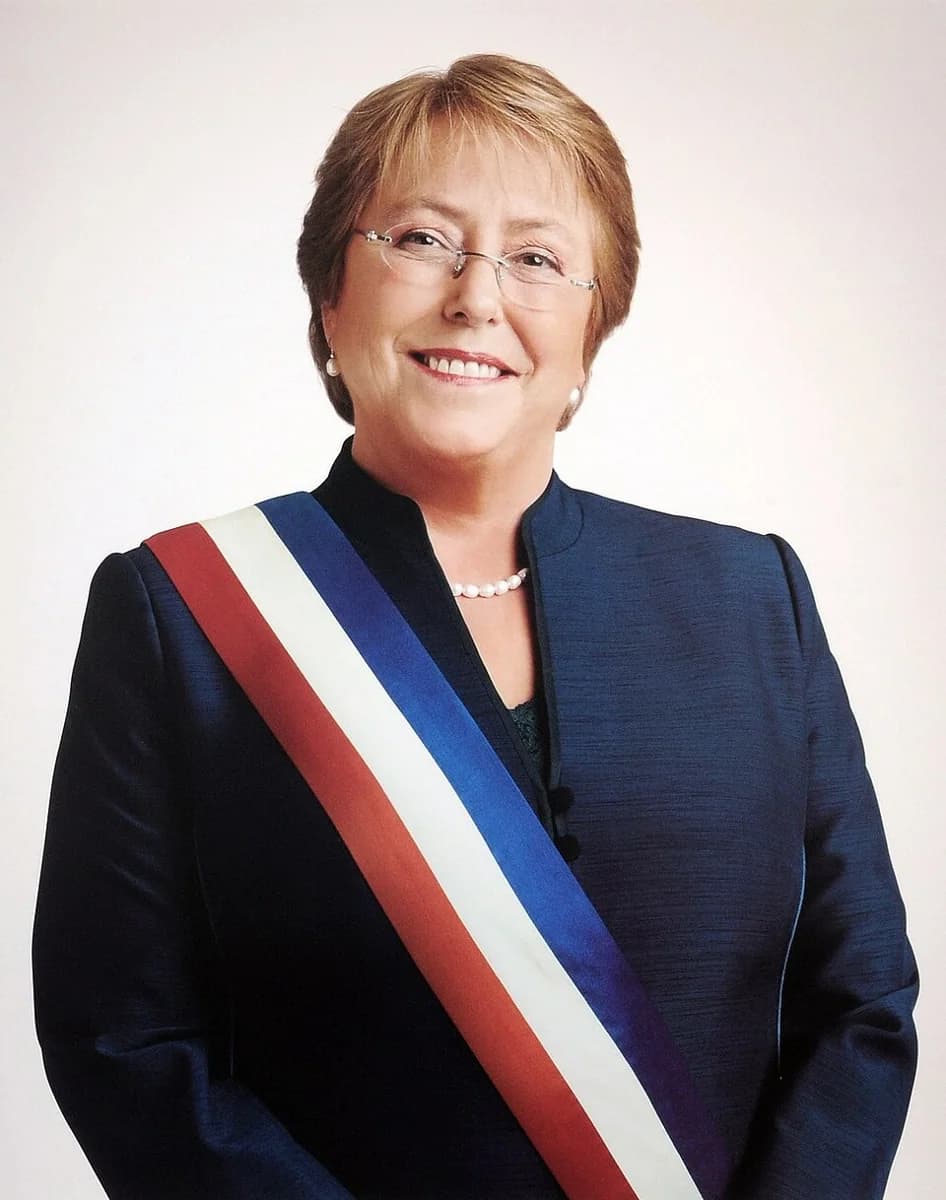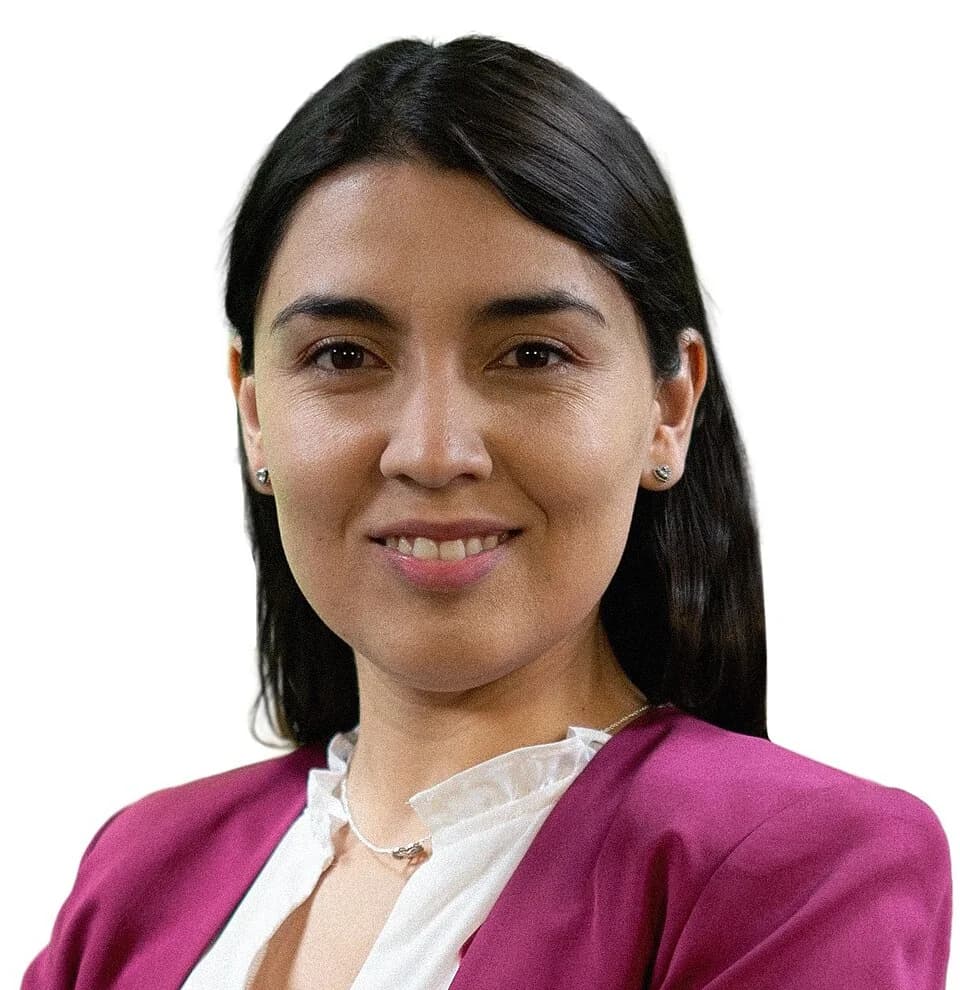
Camila Vallejo, the former minister and spokesperson for the previous government, said President José Antonio Kast's government, by denying Michelle Bachelet its support in her bid for the United Nations (UN), ended up bringing her back to the center of Chilean politics. She made the remarks in an interview with The Clinic.
According to meganoticias.cl, Vallejo said: "By vetoing her bid for the UN, he ended up bringing her back into the national debate". She added that this provokes "resentment" on the right and that the disparaging remarks about the former president are "unacceptable" and "very sexist".
According to T13, this was her first interview with a print outlet since leaving La Moneda. Vallejo was a student leader, a Communist Party activist and a government spokesperson. She now says she is out of the "front line", but not out of politics.
Bachelet governed Chile for two terms. Kast's refusal to back her UN bid sparked a dispute with the opposition. The sources do not specify the position she was seeking or the date of that decision.
According to T13, the former president did not rule out a third presidential run in an interview with Canal TVU, at the University of Concepción. Vallejo avoided anticipating any decisions. "She will have to decide that later", she said.
The former spokesperson also rejected the idea that Bachelet's return shows the left's inability to renew itself. In her view, age does not determine the future of progressive politics. She added that Bachelet "has always developed leaders" and that a unifying role would create room for other figures.
In the same interview, Vallejo criticized the government. "Candidate Kast would today ask President Kast to resign, because he has fulfilled none of his promises", she said. She also alleged that "Pinochetism" had come to power, although she maintained that it does not represent a majority in the country.
She described the administration as "extremely classist" seven months after it took office. As examples, she cited the end of the Yo Elijo Mi PC program, reduced funding for the Ricardo Soto law (which funds high-cost treatments) and an employment subsidy smaller than the one in 2026.
That criticism touches on a concrete figure: Vallejo spoke of unemployment close to 10%. The issue is already generating pressure even from the right, where Senate President Paulina Núñez (RN) called for expanded subsidies amid unemployment of 9.6%.
For now, Bachelet has not confirmed whether she will compete in the next presidential election. Vallejo, meanwhile, closed with a personal declaration: "I am a political woman".