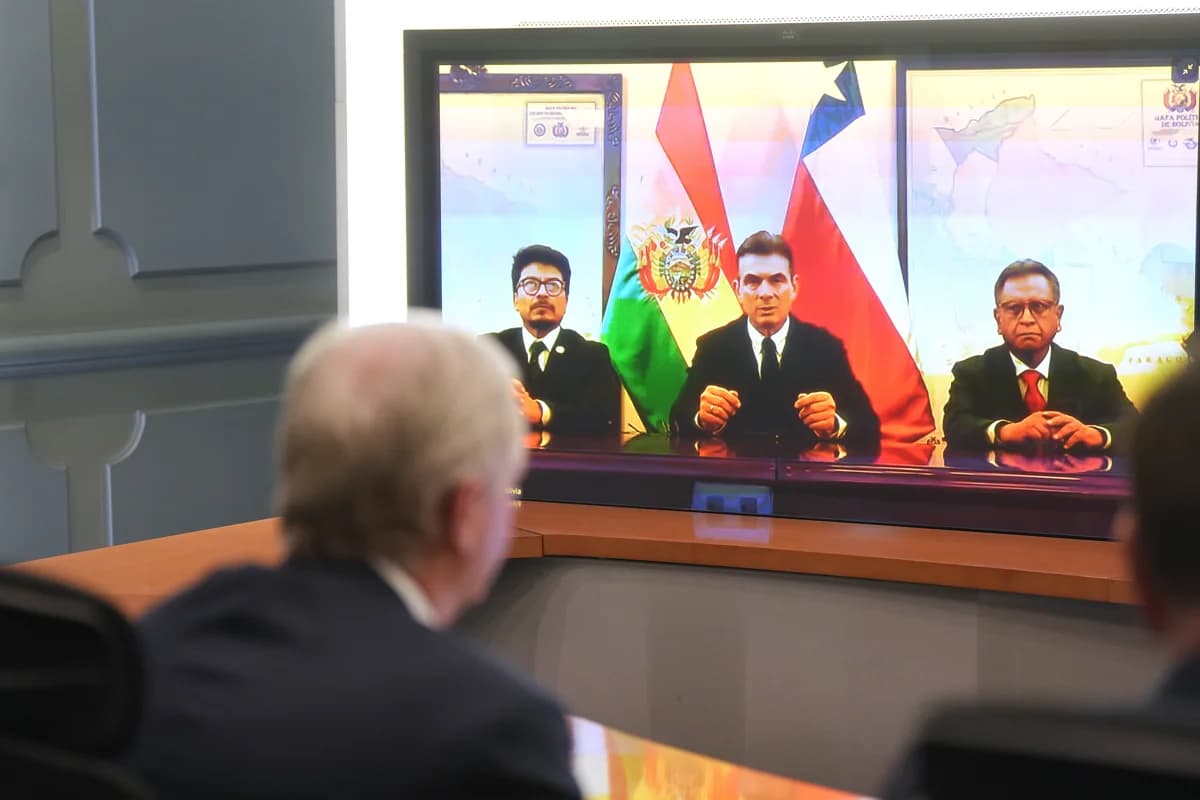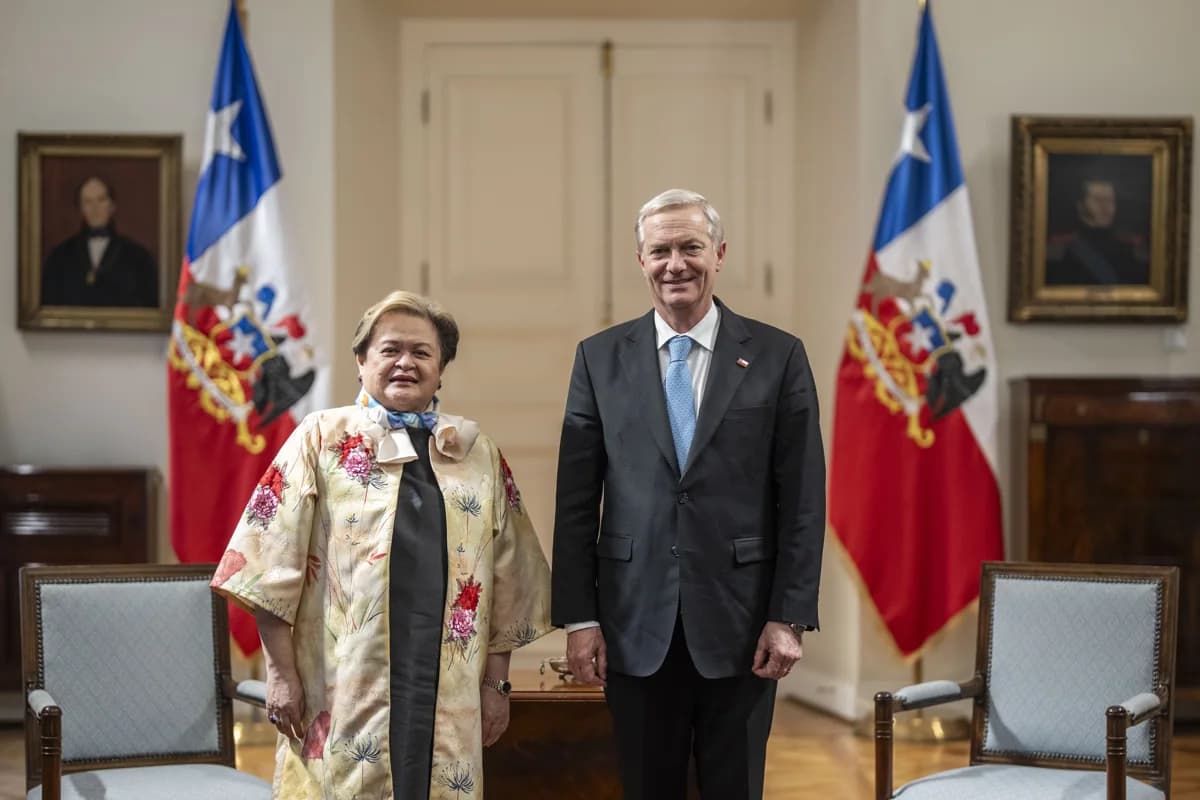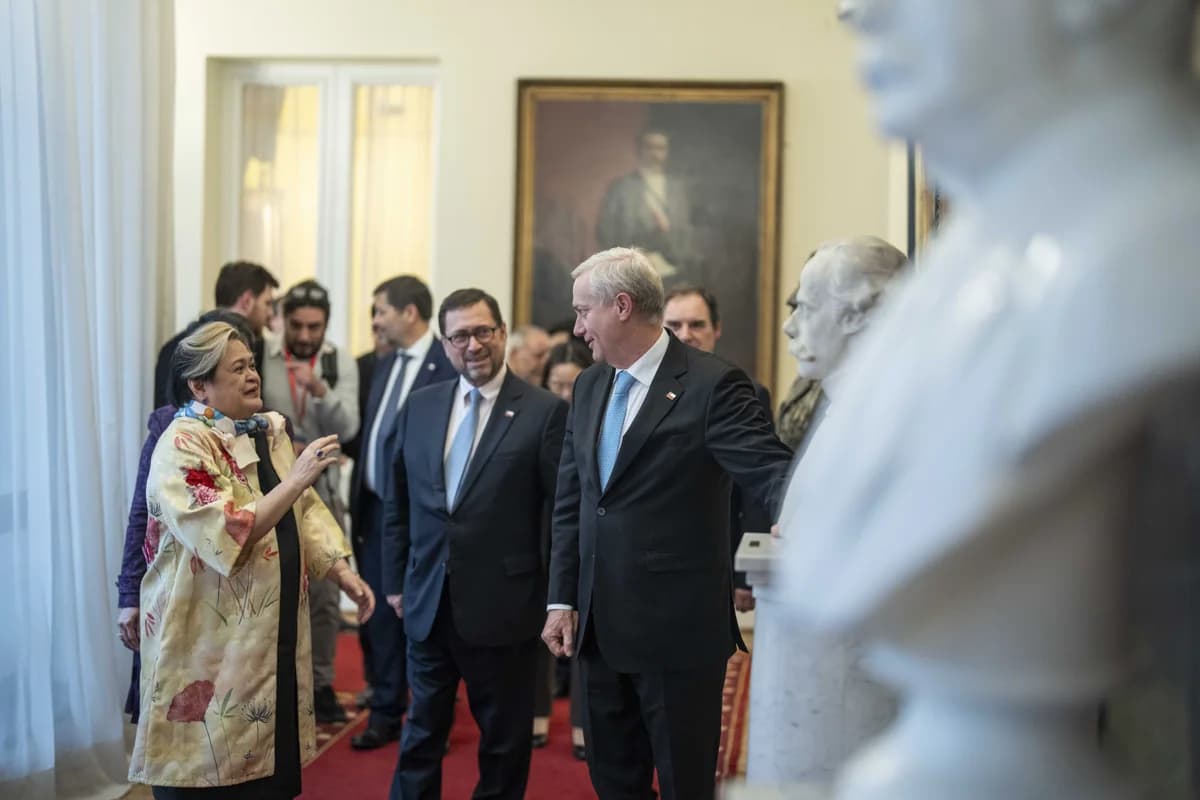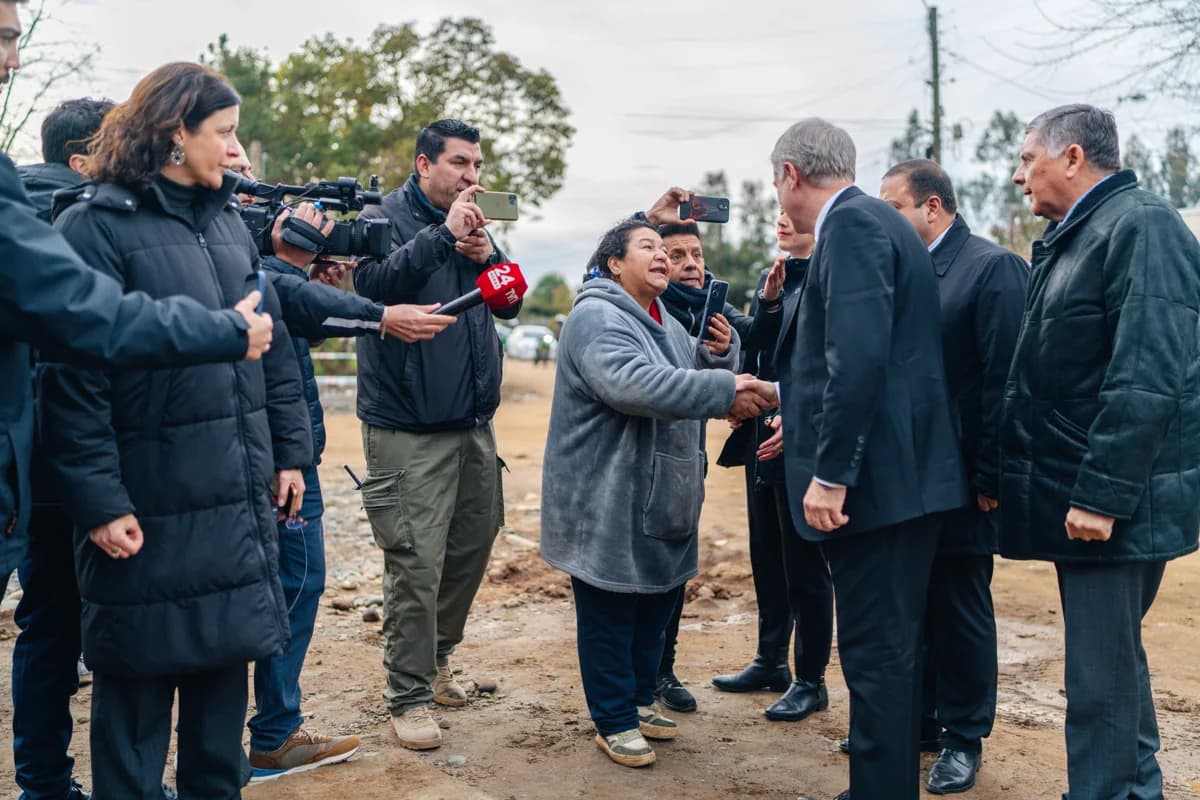
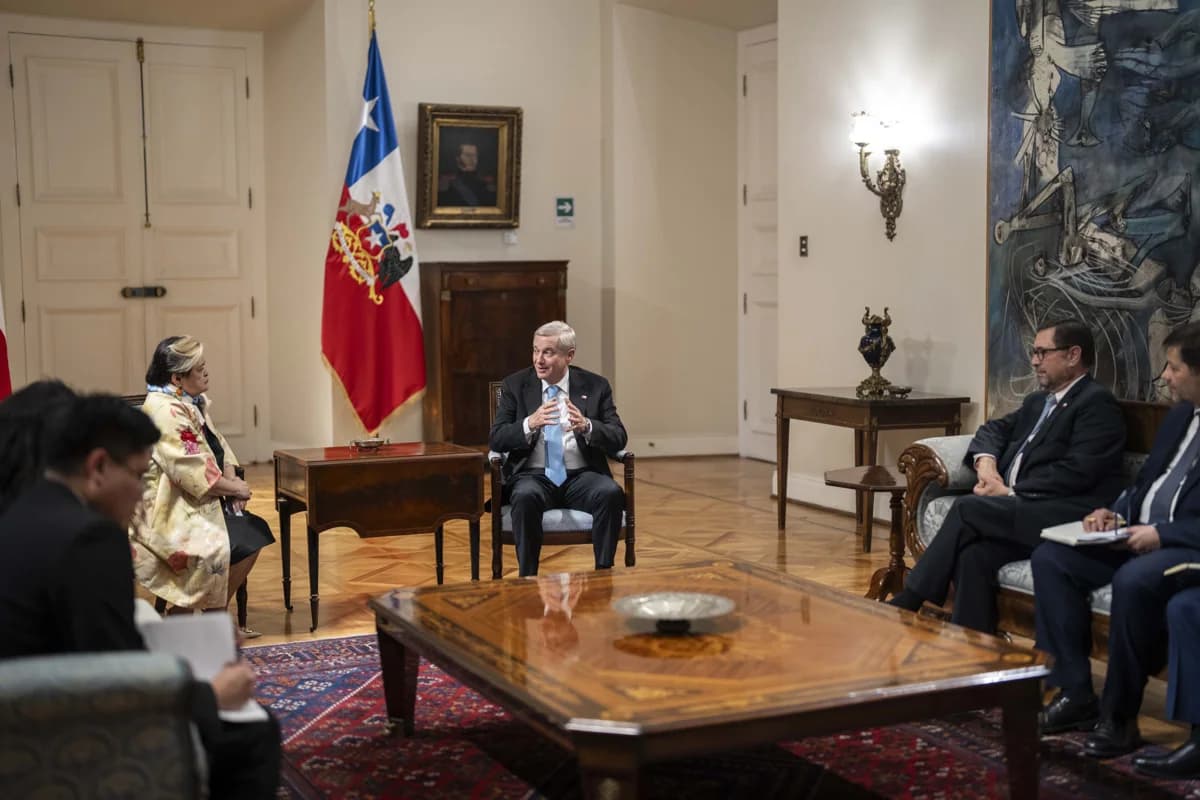
President José Antonio Kast arrived in La Paz on the first official visit by a Chilean head of state to Bolivia in 71 years, according to BioBioChile. There he met with his Bolivian counterpart, Rodrigo Paz, and both agreed to move "step by step" toward full normalization of relations.
Chile and Bolivia have not had ambassadors since 1978. The meeting produced agreements on trade, mining, energy and connectivity, as well as a joint declaration signed by both governments.
The political limit became visible right away. Paz said that "Bolivia does not renounce its history, does not renounce its rights and does not renounce dialogue". With that phrase, the Bolivian president put back on the table the demand for sovereign access to the Pacific Ocean, the difference that has defined the relationship for decades.
That dispute has already gone through the courts. In 2013, Bolivia sued Chile before the International Court of Justice, the principal court of the United Nations, in The Hague. It sought recognition of a Chilean obligation to negotiate access to the sea. Five years later, the Court ruled that Chile had not legally assumed that obligation.
Kast responded with a pragmatic stance. He said it is valid for each nation to have its own "claims", but that Bolivia's maritime aspiration does not prevent the two countries from working together.
Experts consulted by the outlet expect the issue to keep causing friction. Samuel Fernández, an international analyst at Universidad Central, said Bolivia must reconcile that aspiration with its own institutions and with the legal reality established by the ruling.
Deputy Stephan Schubert, chair of the Comisión de Relaciones Exteriores (Foreign Affairs Committee) of the Cámara (Chile's Chamber of Deputies), made a similar point. According to him, Bolivia once again made its maritime intention clear and, for that reason, the relationship must be built over time.
Migration emerges as another immediate front. Former Foreign Minister Mariano Fernández said the Government will need to address how to strengthen migration and border coordination with Bolivia, a sensitive issue for communities in northern Chile.
Who wins from this rapprochement? Both governments gain a concrete economic agenda. However, neither gave ground on the core of the conflict, and that sets a ceiling for the relationship.
The next milestone will come in 2027, when Rodrigo Paz makes an official visit to Chile. It will be the first concrete attempt to deepen a relationship that has gone 48 years without ambassadors.