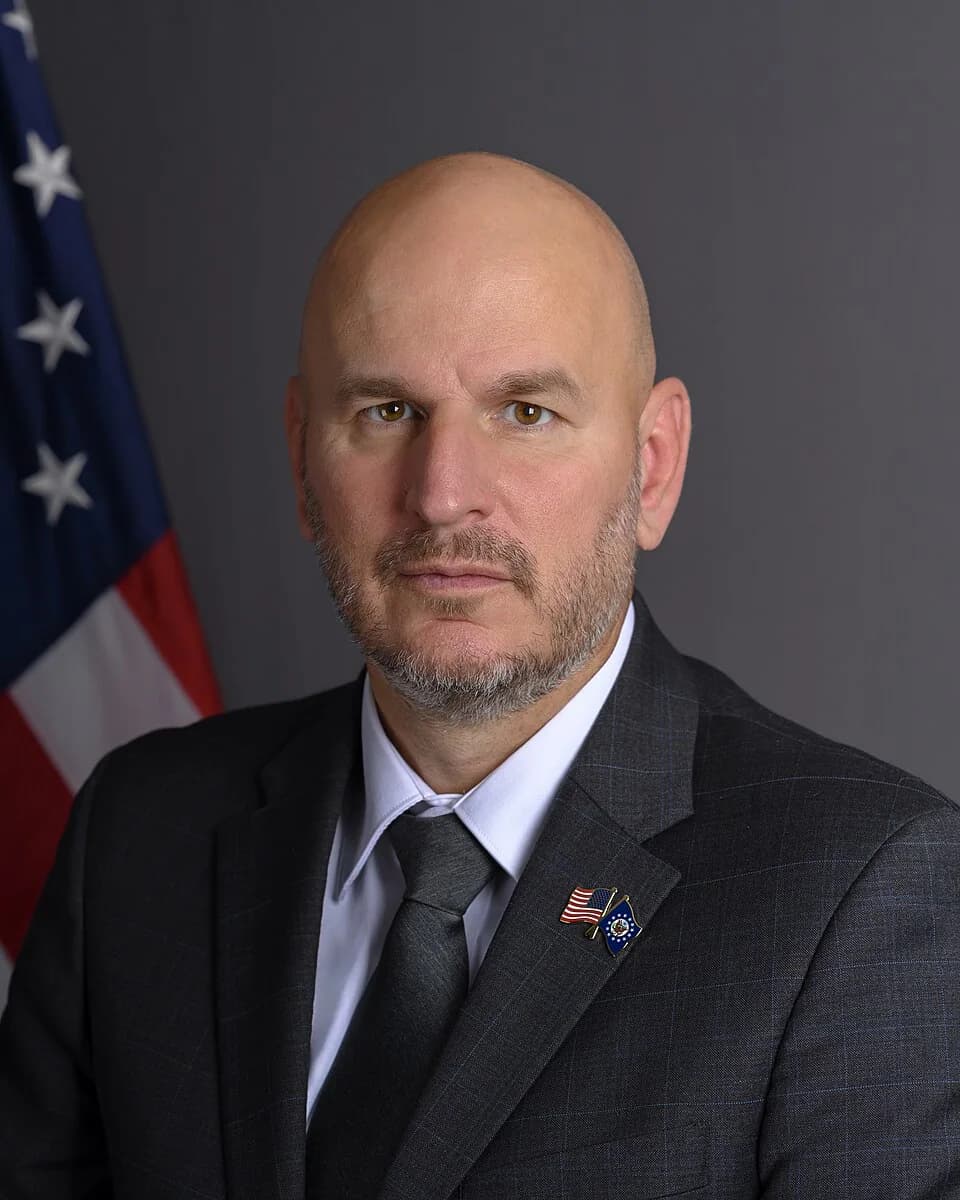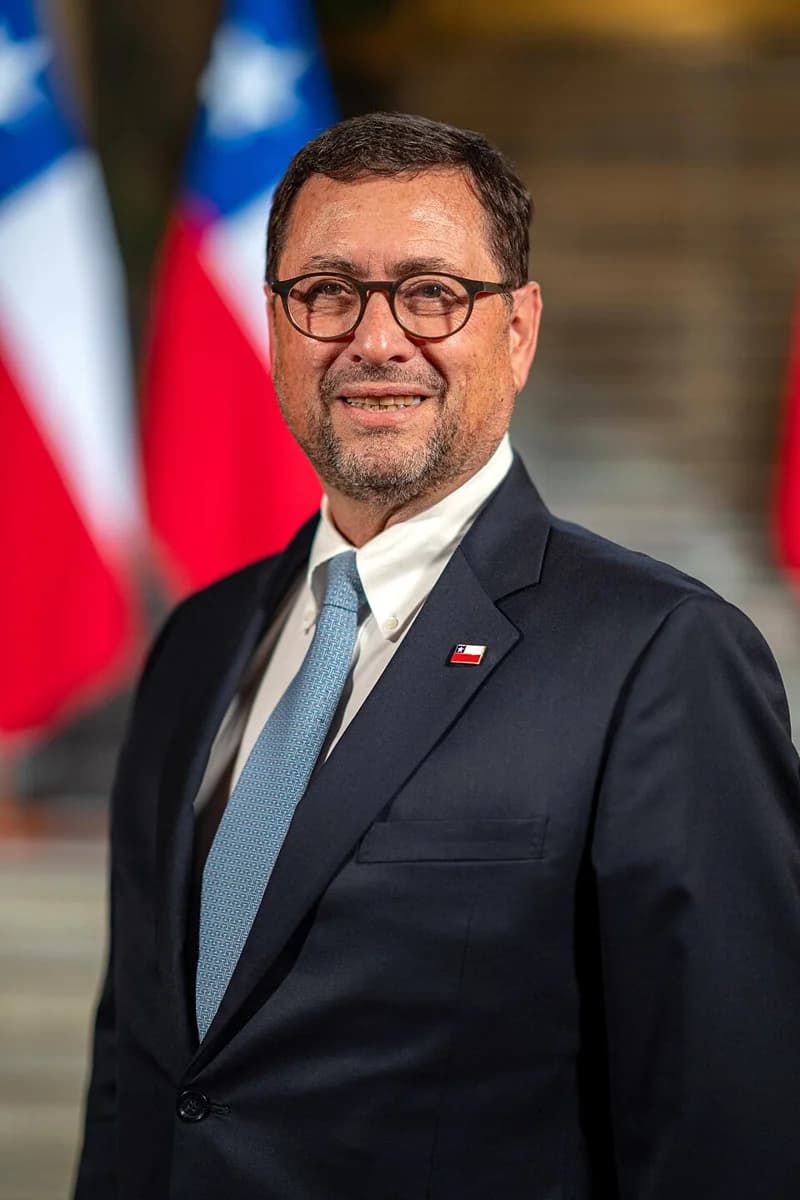
Communist Party (PC) president Lautaro Carmona joined the opposition's campaign against Brandon Judd, the United States ambassador to Chile. On TVN's Estado Nacional program, he said he supported the idea of the Ministry of Foreign Affairs declaring Judd persona non grata.
According to Emol, the request was signed by 14 opposition deputies, spanning parties from the PC to the Christian Democratic Party (DC). The complaint concerns Judd's recent remarks about the Strait of Magellan, the country's sovereignty over Antarctic territory and the social unrest of 2019, among other matters.
Declaring a diplomat persona non grata amounts to withdrawing the receiving state's confidence in them. In practice, it requires their country to recall them. It is one of the strongest signals in diplomatic language.
Carmona used a vivid image. According to the party leader, the ambassador "treads like an elephant in a china shop" and has lost all sense of proportion in his dealings with the country. In his view, a diplomat should be cautious and work away from the spotlight, and Judd does the opposite.
"He is repeatedly challenging the established authority within the country," Carmona said, referring to José Antonio Kast's government. He added that he knew of no private warning or reprimand that had reined in the ambassador.
The Communist Party leader warned that Judd's public positions could create conflicts with consequences for Chileans and Argentines. "We are far from the United States," he noted, arguing that the representative is operating in an area outside his remit.
Asked whether a diplomatic note of protest would be a more prudent first step, Carmona said he hoped one would come, but insisted that the debate was already underway. He also argued that the controversy stemmed from Judd's personal conduct. "We are a sovereign country," he stressed.
On the risk of damaging ties with Washington, he said he did not seek to affect the relationship between the two states. However, he described the ambassador's conduct as a provocation and as "the expression of an imperial policy." For Carmona, the real cost would be submitting out of fear of retaliation.
Who gains and who loses? The request leaves Kast's government facing an uncomfortable decision. Granting it would strain relations with its main foreign political partner. Ignoring it exposes the government to accusations of passivity on sovereignty issues, at a time when its approval rating has fallen to 27%, according to the Criteria poll.
The sources have not yet reported an official response from the Ministry of Foreign Affairs or the ambassador himself to the deputies' request.
In the same interview, Carmona discussed Michelle Bachelet's move to leave the door open to a third presidential bid. The party leader said the former president enjoys "the highest regard" on the left and confirmed that this Thursday he would attend a meeting to hear her proposal firsthand.