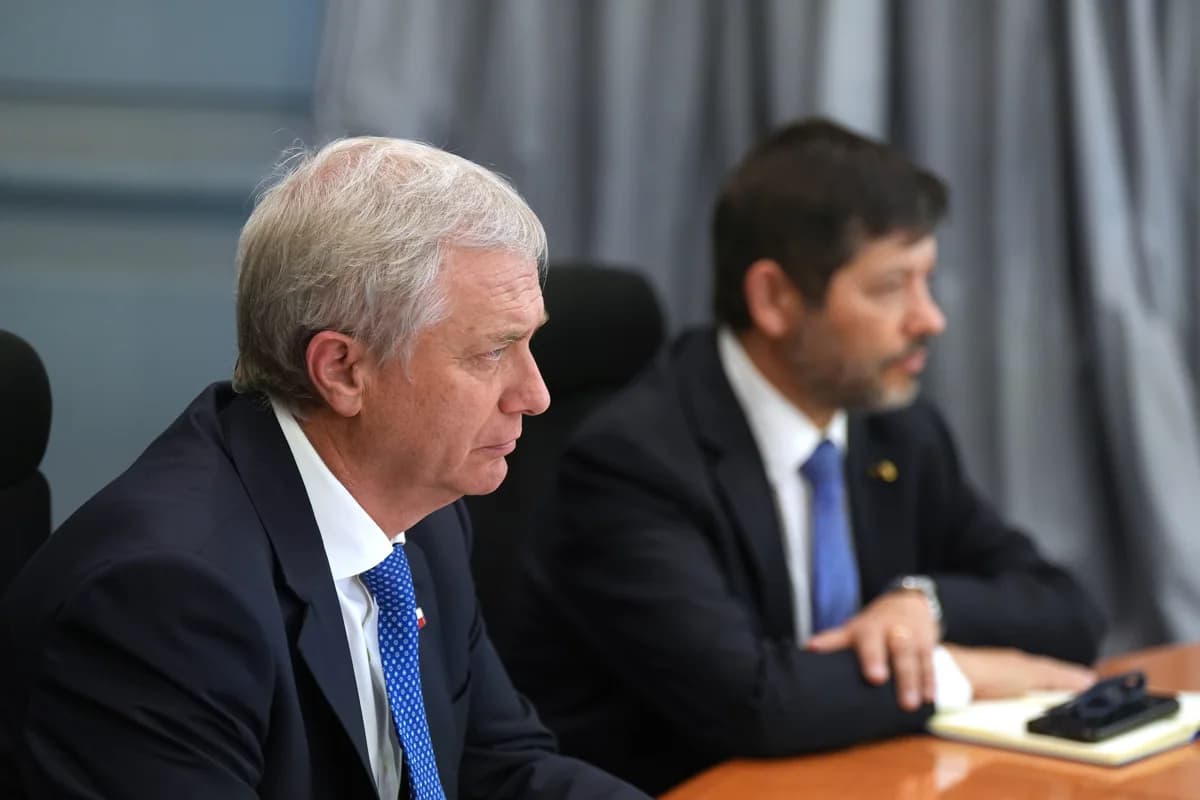
Electricity bills could fall by an average of 4.3% starting in January 2027, according to BioBioChile. The outlet reported remarks by Energy Minister Ximena Rincón, who presented preliminary studies in an interview with Expreso Bío Bío.
The figure comes from the New Average Price (PNP) study. According to the minister, this calculation "relates to the price of electricity generation in Chile." Put simply: it reflects how much it costs to produce electricity before it reaches your home.
The reduction would cover almost the entire country and be concentrated in the north. Antofagasta tops the list at 11%, followed by Atacama (10.2%), Arica y Parinacota (9.9%), Valparaíso (8.5%), Coquimbo (8.4%) and Tarapacá (7.4%).
In central and southern Chile, the decreases would be more moderate. The Metropolitan Region would see a reduction of 4%, Ñuble 4.2%, La Araucanía 3.9%, Biobío 3.7%, Maule 3.4%, O'Higgins 2.7% and Aysén 2.4%.
Three regions would move in the opposite direction. Los Ríos would see an increase of 6.2%, Los Lagos 4.9% and Magallanes 2.4%. If you live in Valdivia, Puerto Montt or Punta Arenas, your bill would rise instead of falling.
In the case of Magallanes, Rincón explained that it is "an area with medium-sized systems," meaning its own electricity grids that are not connected to the National Electricity System, the large grid linking most of the country. The source does not detail the reasons for the increases in Los Ríos and Los Lagos.
Asked about the cause of the reduction, the minister mentioned two factors. First, several electricity supply contracts are coming to an end, which affects the price. Second, the exchange rate set for the previous six-month period was higher than the actual value of the dollar.
That second point matters because much of the cost of electricity is calculated in dollars. If the tariff was set using a dollar value higher than the actual one, customers overpaid, and that discrepancy is now being corrected.
The figures are not yet final. "We are still examining and modeling this," Rincón cautioned. The percentages could change when the final report is published; the source gives no publication date.