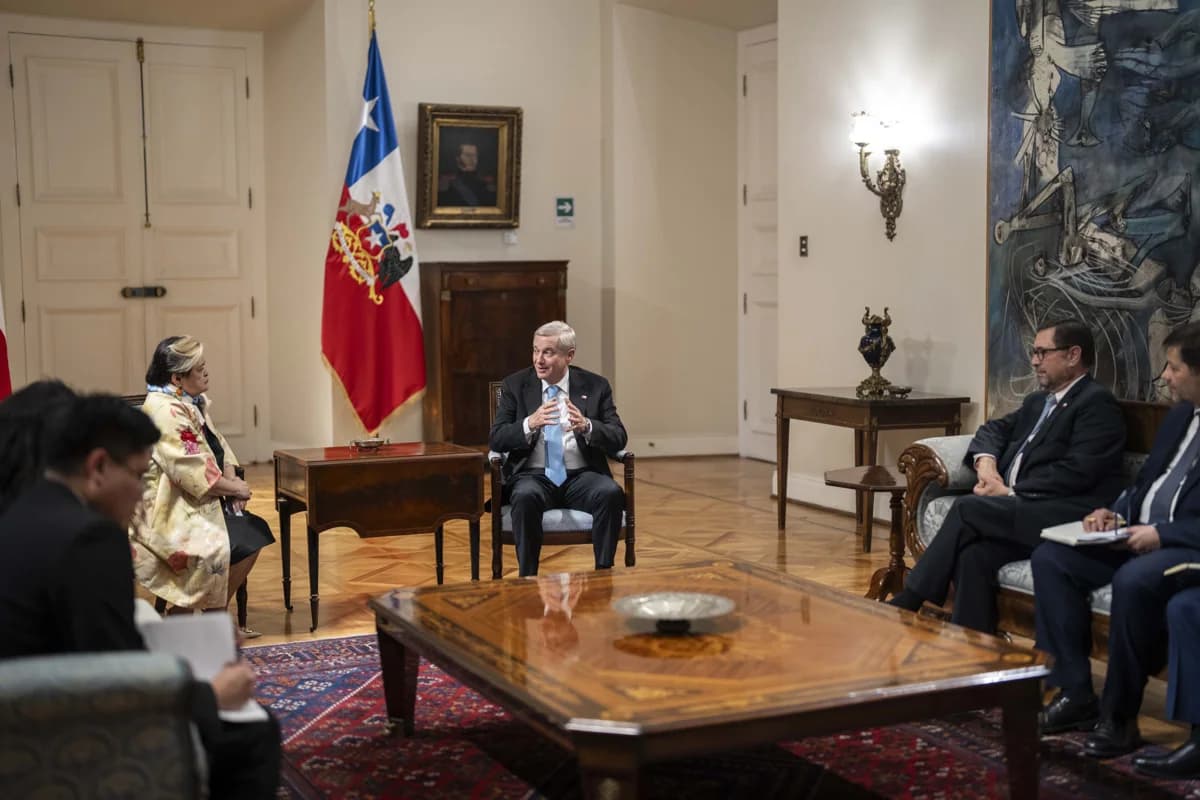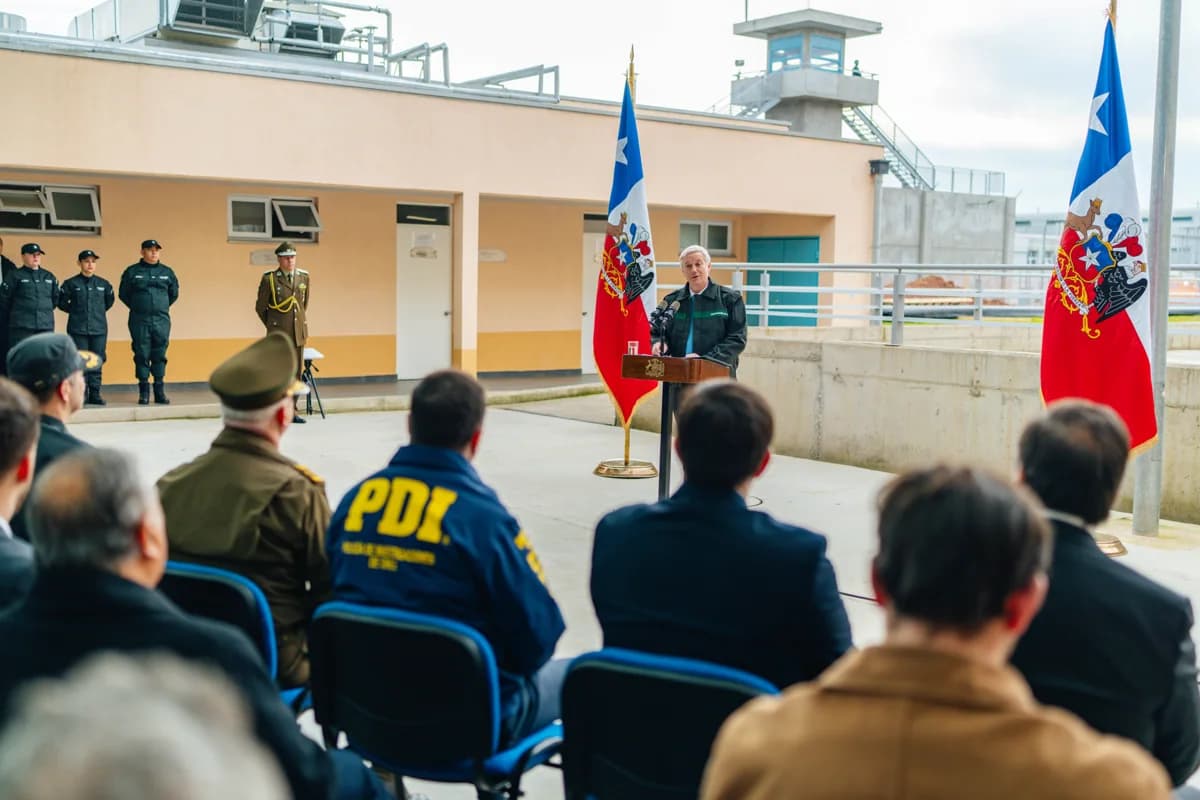

Energy Minister Ximena Rincón announced that electricity bills would fall by an average of 4.3% nationwide starting in January 2027. She made the announcement at the government briefing following the economic committee meeting at La Moneda, CNN Chile reported.
The figure comes from the Preliminary Technical Report (ITP) on the Average Node Price (PNP), published by the National Energy Commission (CNE), the technical body that calculates regulated electricity rates. In simple terms, the PNP is the price at which distributors buy the electricity they later charge you for on your bill. This report covers the first half of 2027.
One detail to keep in mind: this is a preliminary document. The final version will be published in November, and Rincón said it should maintain the trend and could even exceed the 4.3% reduction. "This is a tremendous relief for Chilean families," she said.
The reduction would reach 13 of the 16 regions, with the north benefiting most. According to the minister, bills would fall by 11% in Antofagasta, 10.2% in Atacama, 9.9% in Arica y Parinacota, 8.5% in Valparaíso, 8.4% in Coquimbo and 7.4% in Tarapacá. To put that in terms of your wallet, if you pay $40,000 a month in Antofagasta, your bill would come to around $35,600, provided your consumption stays the same.
The announcement follows a series of bill increases after rates were unfrozen, as Diario Financiero noted.
Rincón explained that the main factor is the dollar. The exchange rate set for the previous half-year was above the currency's actual value, creating a credit balance for customers. It is like having overpaid on a shared bill. Now you get the difference back.
The second reason explains why the north fares better. Generation contracts signed in 2008 and 2010 are ending and will be replaced by agreements from the 2022, 2023 and 2025 tenders, with better electricity prices.
Three regions are heading in the opposite direction. According to CNN Chile, Los Ríos and Los Lagos would see an increase of 5.5%. Diario Financiero breaks that figure down into 6.2% for Los Ríos and 4.9% for Los Lagos. Both regions had seen their increases moderated in the previous half-year thanks to the Let's Put the Bill in Order law.
The government attributes that increase to delays in work to expand the Cautín-Ciruelos transmission line, the infrastructure that carries electricity to that area. The ministry said this "highlights the urgency of energy projects in the regions, especially transmission projects".
Magallanes would see a 2.4% increase. The region is not connected to the National Electricity System, so its prices follow a different indexation formula (an automatic adjustment). That formula depends on fuel prices, the CPI (Consumer Price Index) and the CPI that measures inflation in the United States.
The regional figures could still change. The next step is the CNE's final report, expected in November, which will set the percentages you will see on your bill from January.