
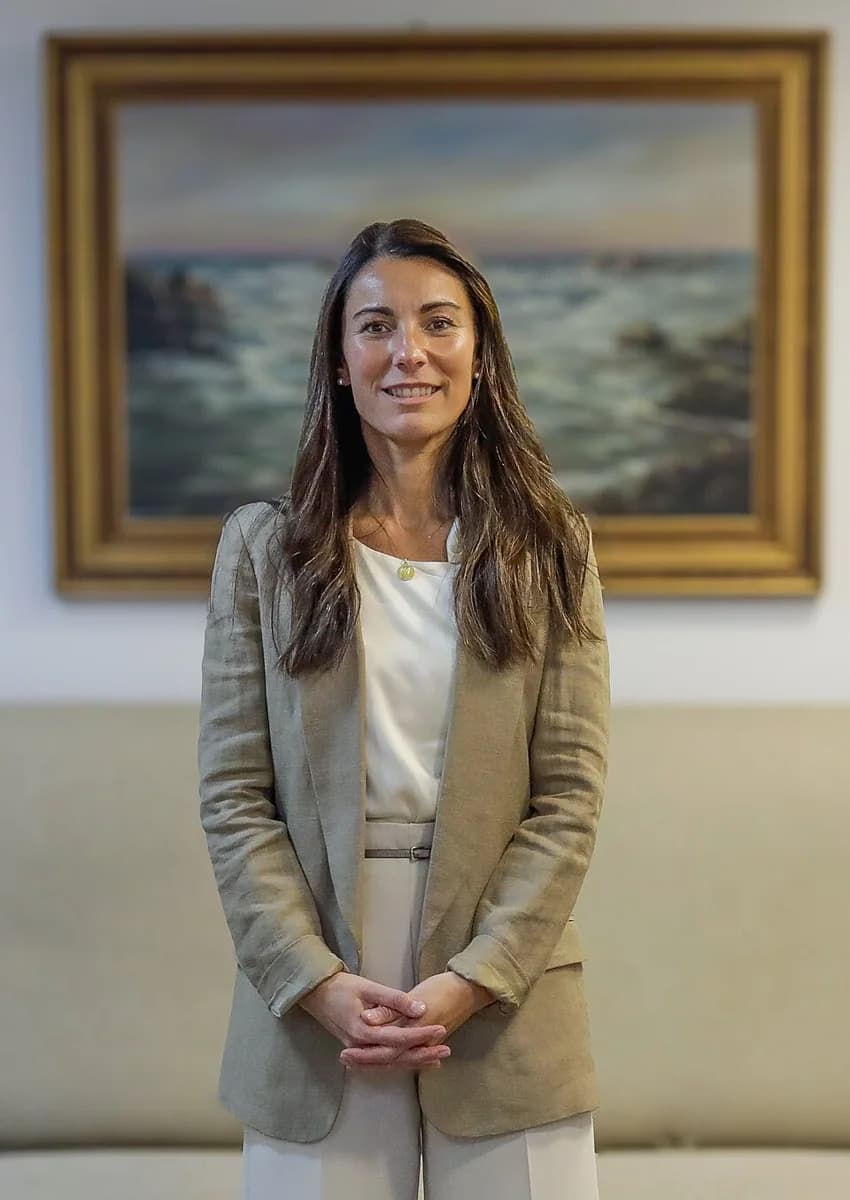
The Senate Education Committee approved in principle, by 3 votes in favor and 1 against, the Government's bill to modify the School Admissions System (SAE). The proposal allows schools to apply their own selection mechanism within their admissions process.
According to La Tercera, the vote concluded a tense session, with mutual recriminations between Senator Yasna Provoste (DC) and Education Minister María Paz Arzola. The bill had already been approved by the Chamber of Deputies and is in its second constitutional stage. Debate will now continue in the full Senate.
The central change is the so-called Mutual Selection Mechanism. According to information released by the Government and reported by G5 Noticias, it is a preliminary stage in which each school using it will check its own priority criteria. The SAE remains the single application registry administered by the Ministry of Education, with centralized allocation of places.
Schools adopting this mechanism must reserve, for each class, at least 20% of their places for priority students and 10% for students with disabilities or permanent special educational needs. The text also provides greater safeguards for informational interviews with families.
Arzola said the bill seeks to restore "the importance of merit" and reduce the role of chance in allocating places. Undersecretary of Education Daniel Rodríguez said the proposal seeks to improve the existing system rather than eliminate it.
Provoste, the only legislator present who voted against it, said she shared the view that the SAE needs improvement, but argued that this bill proposes a new system that opens the door to discrimination. She recalled that the SAE was founded on the principle that families choose the school, rather than the school choosing families.
The senator objected to criteria such as attendance in the previous year or parents' participation in meetings. In her view, these do not distinguish between an uninvolved family and a child with a chronic illness, and penalize single women who raise children and support their households. She added that the underlying problem is excess demand, concentrated in two or three schools per area.
Independent Senator Rojo Edwards defended his vote in favor. He said he was "defending the most vulnerable" and rejected accusations that those who backed the bill supported discrimination.
The biggest clash occurred when Arzola, after expressing willingness to improve the text, claimed that in 10 years of operation there had been no willingness to modify the SAE. Provoste contradicted her and cited Laws 21,052, 21,014 and 21,397, which she said had modified the system on matters such as arts schools and boarding schools.
The senator added that the opposition had submitted a proposed resolution to modify the SAE in the Chamber, and that the executive branch had stalled it despite having been able to submit amendments. The Government's bill now goes to a vote in the full Senate.