The Consumer Price Index (IPC), which measures how much prices change for a basket of goods and services bought by households, rose 0.4% in September. The Instituto Nacional de Estadísticas (INE, Chile's national statistics agency) reported the figure on Thursday. It came in slightly below market expectations.
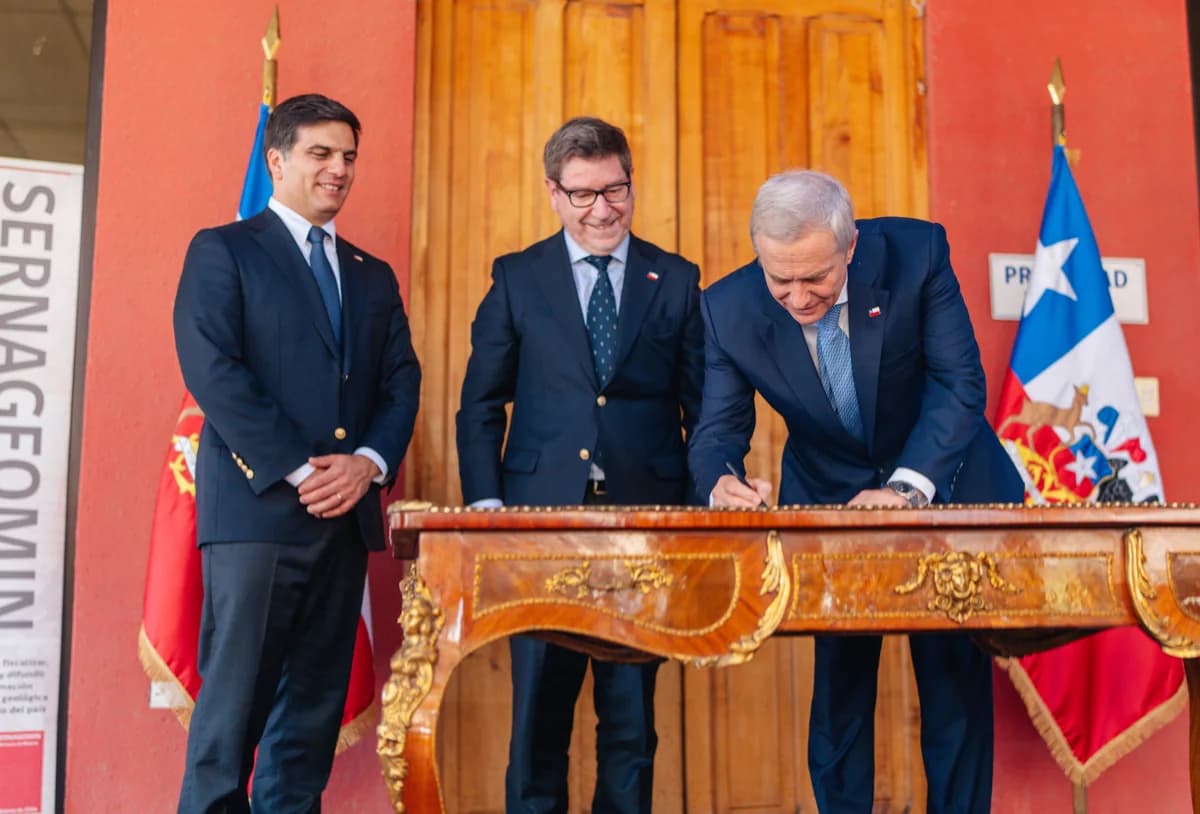
Asked by Emol, the ministro de Hacienda (Finance Minister), Jorge Quiroz, was blunt: "the IPC is a responsibility of the Banco Central" (Chile's autonomous central bank). He added that "we would like this to keep coming down, and whatever measures are needed from a monetary standpoint must be taken to keep inflation in check."
To understand the figure, it helps to compare it with the previous month. Inflation was 0.6% in August, so September brought a smaller increase. Analysts, according to La Nación, had expected 0.5% due to spending during Fiestas Patrias (Chile's national independence holidays) and fuel prices.
The problem lies in the full picture. Inflation has accumulated 4.0% so far this year and 4.1% over twelve months, far from the 3% target pursued by the Banco Central. Put simply: what cost $100,000 a year ago now costs, on average, about $104,100.
The INE highlighted increases in food and non-alcoholic beverages and in transportation, while the insurance and financial services division fell. Transportation was driven by fuel: gasoline rose 2.7% in the month and diesel increased 10.2%. If you fill up your tank or depend on freight, that jump is noticeable.
Quiroz's remark points to how the system works in Chile. The Banco Central is autonomous and its main tool is the interest rate. When it raises the rate, credit becomes more expensive and consumption cools, a bit like turning down the heat under a boiling pot. Hacienda (the Finance Ministry), by contrast, manages fiscal spending.
The minister also referred to the forecast Hacienda published in the third-quarter Informe de Finanzas Públicas (IFP, the Public Finance Report), which estimates CPI at 3.8% by the end of 2026. He acknowledged that "it is challenging, but we think an adjustment or a slowdown in price growth may come. We will look at the variables."
The biministro de Economía y Minería (minister holding both the Economy and Mining portfolios), Daniel Mas, said the 0.4% rise "confirms that inflationary pressures remain in place and that we cannot ease the pace." He attributed part of the effect to Fiestas Patrias and to external factors that pushed up fuel prices.
Mas added that "the only way to mitigate these inflationary pressures in the long term is to restore growth, unblock stalled projects and strongly reactivate investment in the country."
With annual inflation at 4.1% and the official target at 3.8%, Hacienda needs prices to rise considerably less in October, November and December for its own forecast to be met.