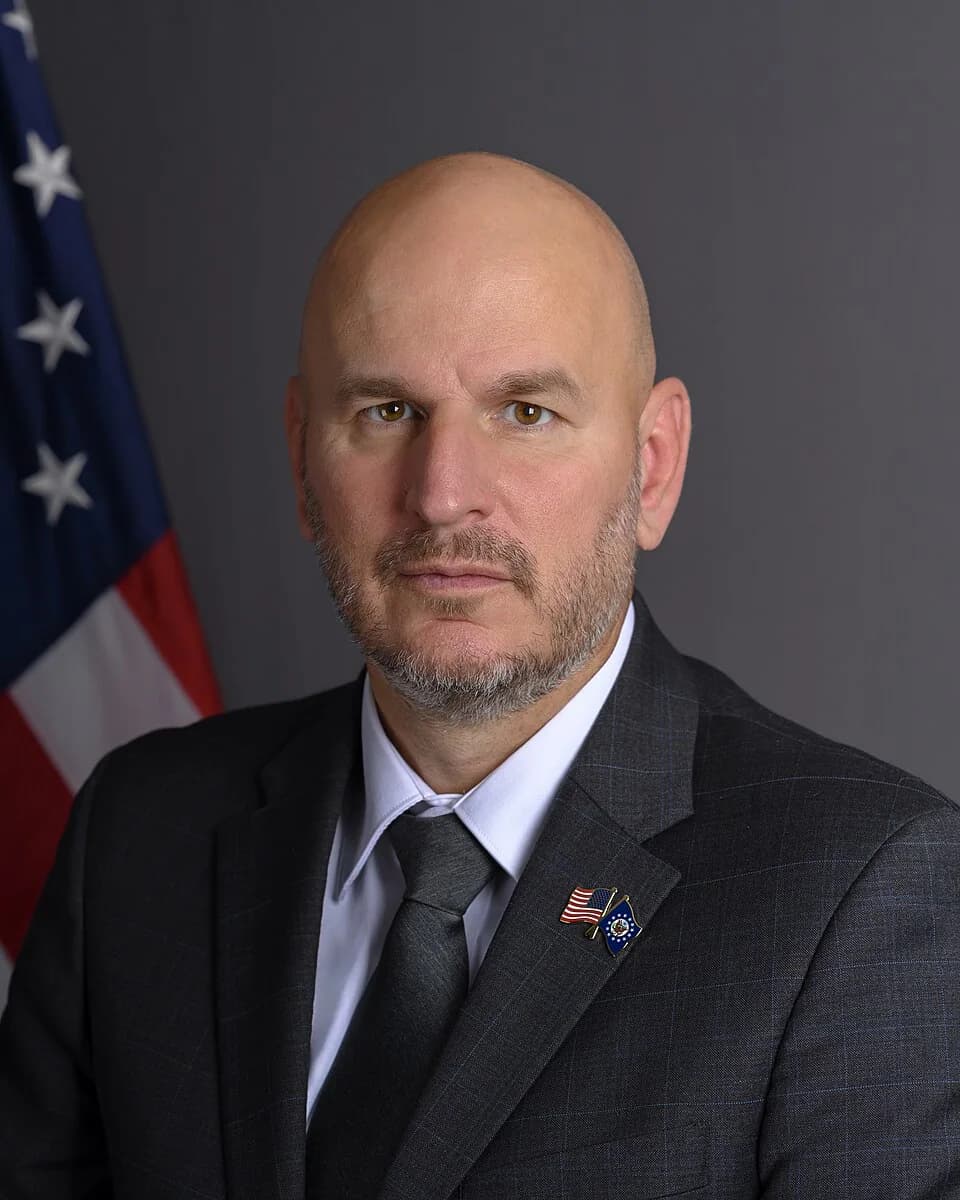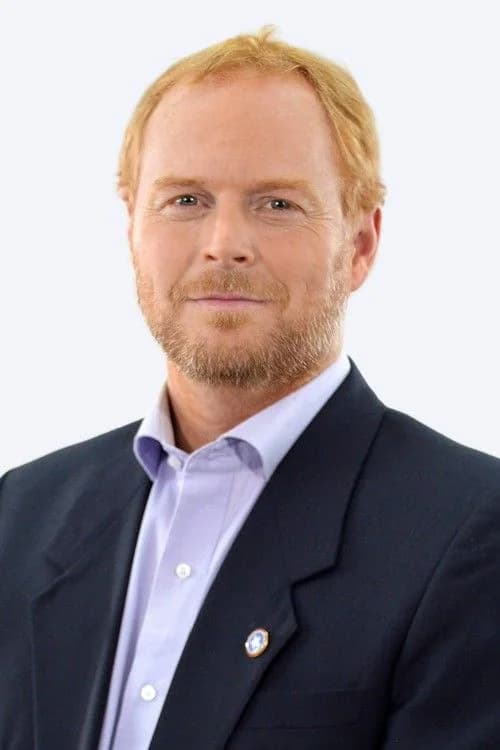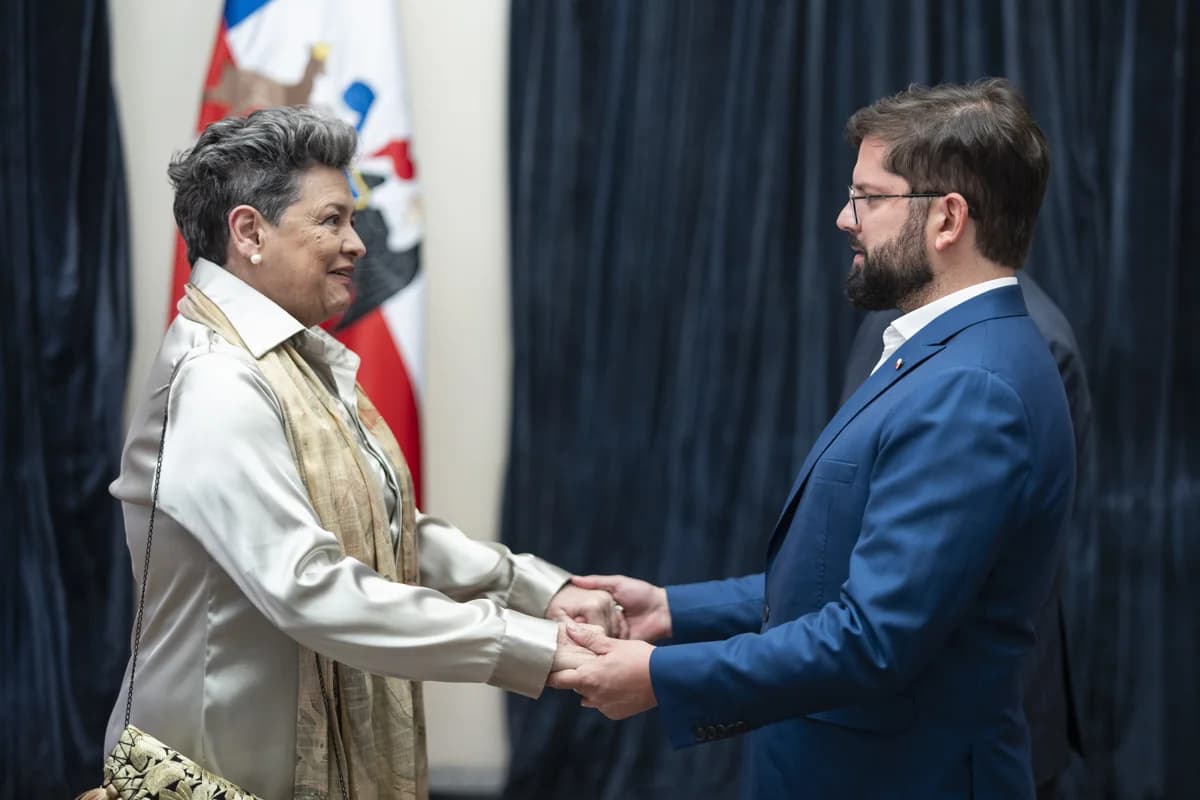
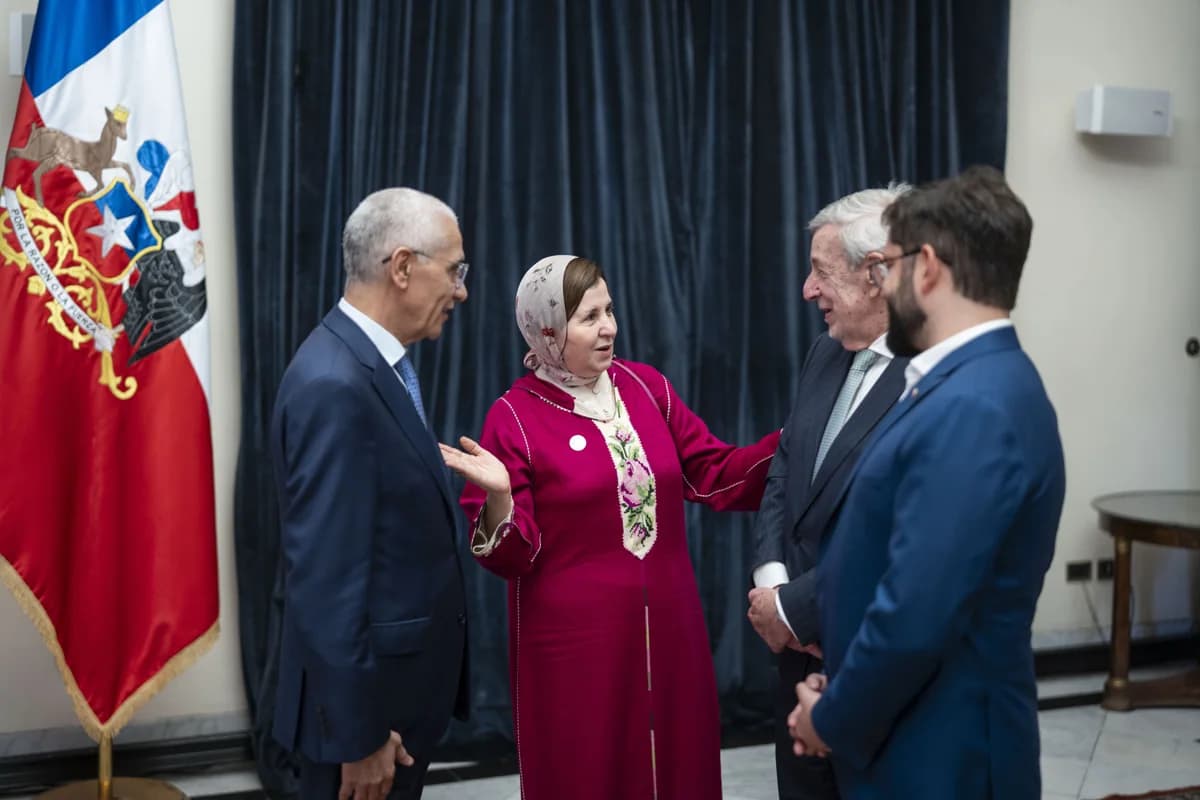
The United States Ambassador to Chile, Brandon Judd, responded on Wednesday to former presidents Gabriel Boric and Michelle Bachelet over their criticism of the country's accession to the Shield of the Americas (Escudo de las Américas), according to La Tercera. Judd spoke at the Global Trade Day (Día del Comercio Global) seminar.
Both former leaders questioned the government's decision to join the agreement. They also asked President José Antonio Kast to reconsider Chile's continued participation. The source does not detail the specific arguments made by each of them.
Judd downplayed those objections. "What former presidents Boric and Bachelet said is politics," he said. He added that, as the opposition, they will never support what another president does.
The diplomat linked the accession to the priorities of Chilean voters. According to him, in the last election the two main problems raised by citizens were crime and the economy.
He then explained what the agreement involves. He described it as cooperation among 15 countries, including the United States, which recognize that organized crime is not confined to the borders of a single state.
Judd distinguished between traditional crime and transnational criminal organizations, which operate in several countries at once. In his view, that multiple presence opens room for more crime to reach each nation.
"When we look at the Americas, what do we expect from Chile? It's not what we expect from Chile. It's more what Chile expects from the Americas," the ambassador said in defense of Chile's participation.
The La Tercera report does not specify which other countries are part of the agreement, when Chile joined, or what concrete commitments the state made. Nor does it include any response from the Kast government or the former presidents to Judd's remarks.
According to the ambassador, the mechanism works on demand: if Chile has a specific need, it can ask the other signatory countries for help. "That is what the Shield of the Americas is," he concluded.