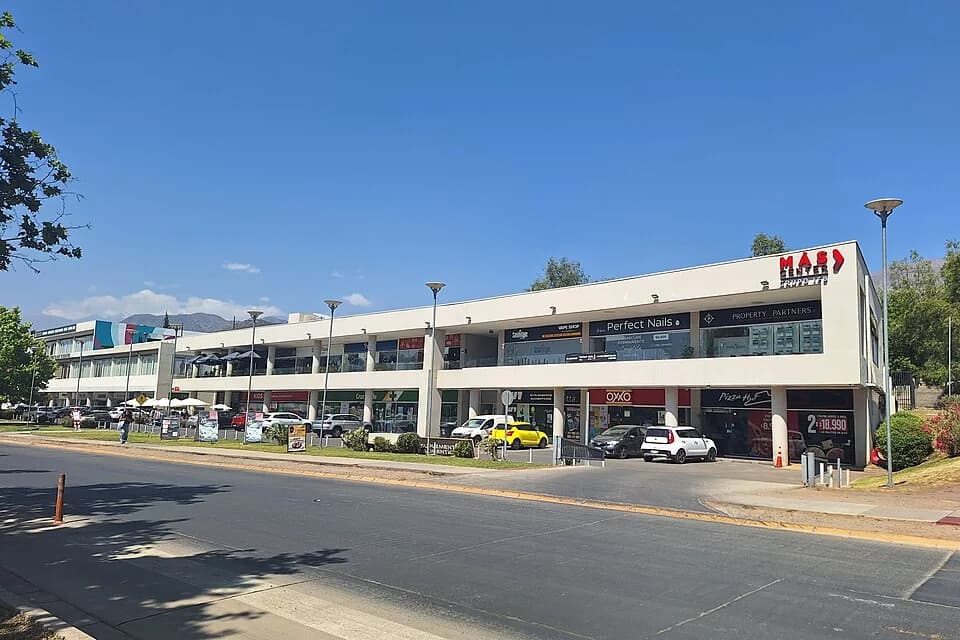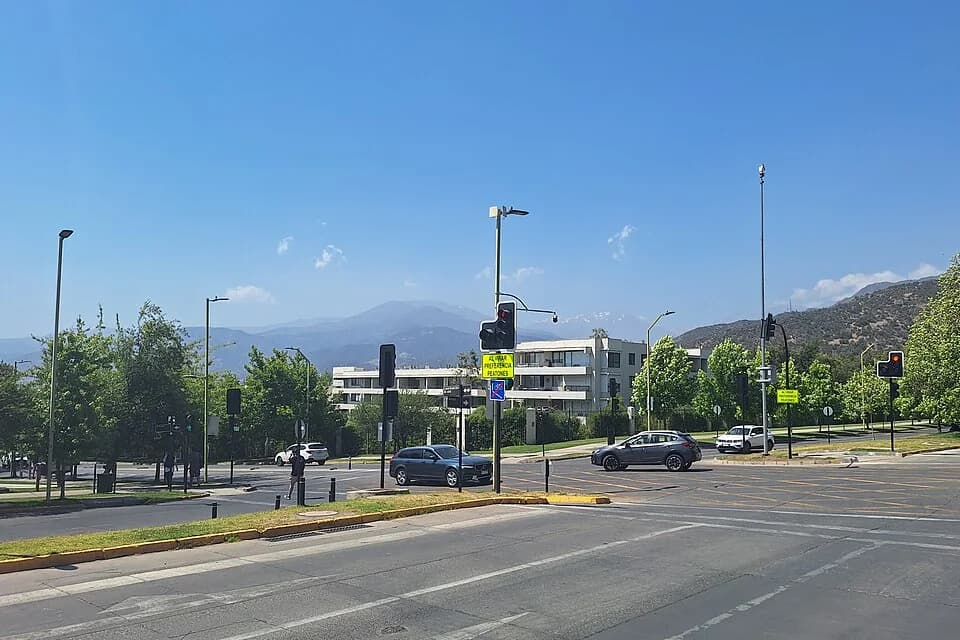
The mayor of Las Condes (a comuna, or municipality, in Santiago), Catalina San Martín, said that "the State is not prepared for a catastrophe like a mudslide", according to La Tercera, in an interview following the mudslide that hit the comuna on October 8. "Chile is prepared for tsunamis, it prepared for earthquakes, but it is not prepared for mudslides", she said.
The mayor praised the speed of the initial response. According to her account, the municipality declared a local emergency and a disaster zone was decreed the same day, which allowed resources to be deployed more quickly.
San Martín said that the following day she proposed to the presidential delegate that the municipality organize the deployment of machinery, since the comuna had already been through a similar situation. With that, the clearing of mud and debris from affected homes began.
Regarding the government, she said the President called her on the first day and told her "whatever is needed, we will be there". She highlighted that the delegate led the Comité para la Gestión de Riesgo de Desastres (Cogrid, the disaster risk management committee), the body that coordinated volunteers, the military, Bomberos (the volunteer fire service), the Policía de Investigaciones (PDI, Chile's investigative police) and Carabineros (Chile's national uniformed police).
Her main criticism targeted the institutional framework. She argued that the Servicio Nacional de Prevención y Respuesta ante Desastres (Senapred, the national disaster prevention and response service) still does not understand that an emergency "cannot be handled during office hours". As an example, she cited the ALFA form, the request used to obtain machinery. The municipality submitted it at 3 a.m. and it was returned because the record showed October 9 instead of the 8th, the day of the mudslide.
On prevention, the mayor recalled that the comuna had warned institutions that, after a large-scale fire, a mudslide resulting from that fire had occurred. She added that municipalities cannot have small versions of the Dirección de Obras Hidráulicas (DOH), the Ministerio de Obras Públicas (MOP, Ministry of Public Works) agency in charge of work on ravines.
She also called for strengthening the weather forecasting system. She explained that Senapred issues alerts based on the Dirección Meteorológica (the meteorological office), which reports to the Dirección General de Aeronáutica Civil (the civil aviation authority) and which, in her view, "does what it can with what it has". She said information between agencies must flow more quickly.
On the urban roots of the problem, she said that because the ravines had not been active, those who subdivided those areas did not take the mountains into account. She acknowledged that her challenge is to adapt the urban plan to that new reality.
San Martín repeated her criticism of regional governor Claudio Orrego, whom she had accused of being absent. She said she had expected him to be present throughout the emergency and not just on the first day "in a photo", though she said she considered the matter closed.
Asked whether she had any self-criticism, she said the municipality did more than its share, including a technical study it took to the DOH. As a concrete measure, she proposed redirecting funds from a payment agreement the comuna has with the MOP to finance mesh barriers in the ravines, works currently carried out by that ministry. She also said she will not look for culprits and that the municipality will commission expert studies to provide input to the State.