According to Emol, the first Budget Bill from José Antonio Kast's government proposes public spending of $91.2 trillion for 2027. The figure represents real growth of 1.5% over projected spending for this year.
The proposal comes amid tight public finances. The government maintains that the increase allows it to fund its priorities without compromising fiscal targets while also reviving the economy.
According to the Budget Directorate (Dipres), the bill is organized around four priorities: growth, employment and reconstruction; security; child protection; and safeguarding social benefits. Under the first, the government announced an extraordinary portfolio of 241 public works projects that would begin in January 2027.
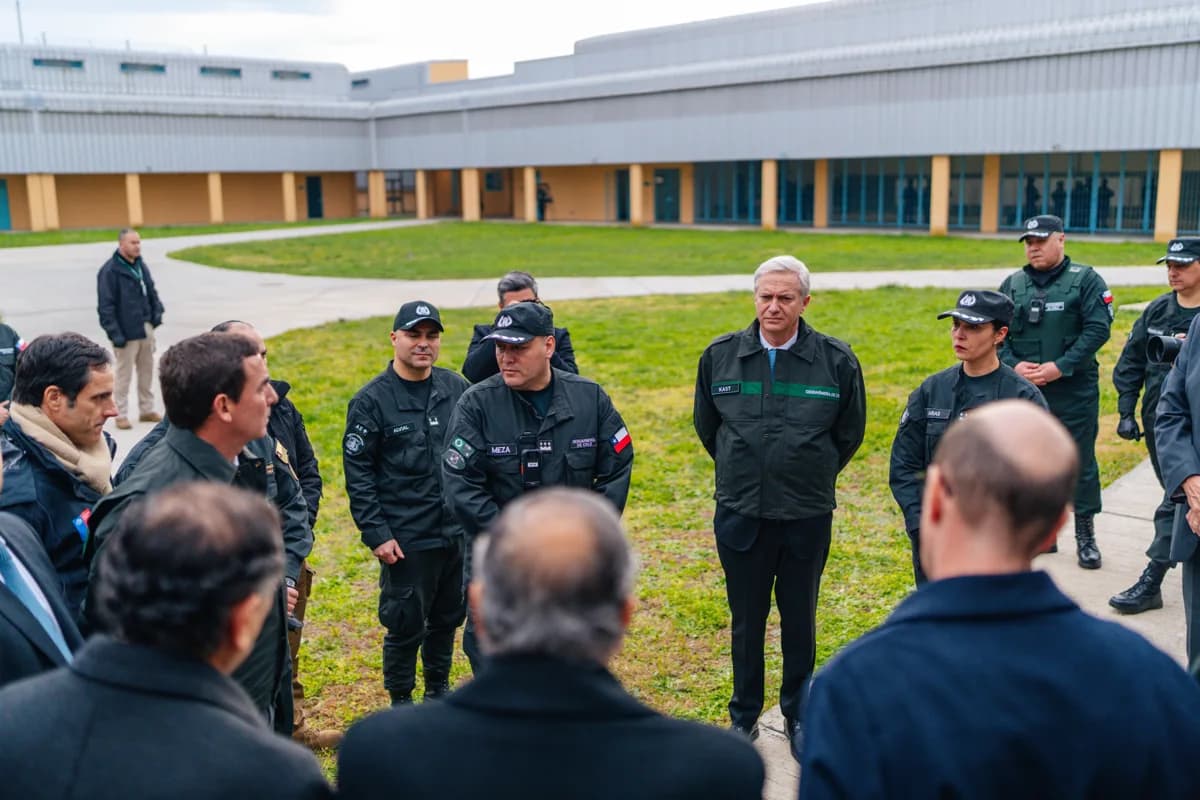
Security spending rises by 9.1%, with an emphasis on police, the Gendarmerie and combating organized crime. Spending on children grows by 4.1%. The government says it will maintain social benefits established by law, while strengthening oversight of their use.
Health receives the largest increase in absolute terms: an additional $829,568 million, a real increase of 4.7%, bringing the total to $18.3 trillion. It is followed by Labor and Social Security, with an additional $232,785 million, and Public Security, with an additional $227,413 million.
In percentage terms, Sports leads with 39.8%, followed by National Assets with 38%. However, the increase for Sports is explained by the 2027 Special Olympics. Without that event, the ministry's budget would be about 3% below the previous year. Justice and Human Rights grows by 20.5%, Public Works by 8.9%, Defense by 6.8% and Housing by 5.8%. Education sees a real change of 0%.
The cuts are drawing the most political controversy. The termination of "I Choose My PC", which provides computers to students through the National Board of School Assistance and Scholarships (Junaeb), drew criticism even from lawmakers in the governing coalition. The government expressed willingness to reconsider it.
The Responsible Pet Ownership program, linked to the Cholito Law, would fall from $3,634 million to $514.4 million, an 86% cut. Metropolitan Governor Claudio Orrego warned that this would mean "fewer vaccines, fewer sterilizations, fewer microchips".
The Prodemu Foundation, which runs programs for women, would receive funding only until March 31, 2027, including expenses for its closure. Former ministers and senators asked Minister of Women Judith Marín to seek an alternative. Marín responded that the services would be redirected to specialized organizations and that funding the foundation through private funds or donations would be considered.
In Congress, the joint subcommittees have already delivered the first defeats. The fourth subcommittee, chaired by Senator Yasna Provoste (DC), rejected the chapter covering the Undersecretariat of Higher Education and postponed the vote on General Education amid concerns from opposition lawmakers and university rectors.
The same subcommittee rejected the Electoral Service (Servel) budget allocation at the request of its own officials, who considered the funding insufficient. National Prosecutor Ángel Valencia questioned the proposed structure for the Supraterritorial Prosecutor's Office and warned: "Constitutional autonomy must be protected". The rejected allocations will have to be discussed again in the Special Joint Budget Committee.