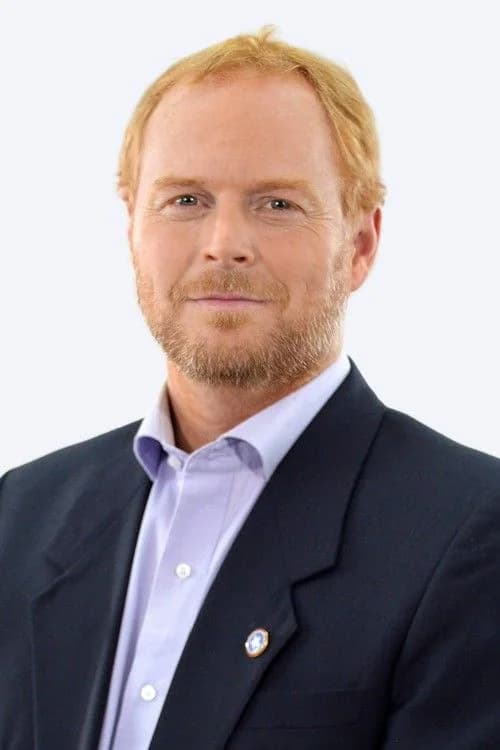
According to La Tercera, the Undersecretary for International Economic Relations, Paula Estevez, acknowledged on Wednesday that Chile will not get 100% of its exports to the United States back to zero tariffs. She spoke at a seminar hosted by Compañía Sud Americana de Vapores (CSAV) for Global Trade Day.
The Subrei (Subsecretaría de Relaciones Económicas Internacionales) is the office within the Cancillería (Chile's Foreign Ministry) that negotiates Chile's trade agreements with other countries. In practice, it is where the government negotiates how much Chilean products pay to enter foreign markets.
According to Estevez, 53% of the value of Chile's exports to the United States currently enters with zero tariffs. The rest pays a surcharge that, according to the outlet, is set at 12.5% for Chilean products. A tariff works like a toll at the border: the importer pays it, and it usually ends up raising the price for the final buyer.
"We don't like tariffs," the undersecretary said. She noted that salmon is affected and that half of Chile's salmon is sold in the United States. She also named timber, wine and fruit among the strategic products that currently pay the tariff.
For those sectors, the figure matters. If your company exports salmon or wine, competing in the United States with a 12.5% surcharge means cutting margins or raising prices against rivals that may pay less. The source does not say how much each sector exports or what the effect on jobs is.
The goal of the negotiation, Estevez explained, is for that 53% to grow and include other strategic products. "I want to be very clear: we are not going to get to zero," she said, attributing the limit to the fact that "U.S. trade policy has changed", a reference to President Donald Trump's tariff measures.
The U.S. ambassador to Chile, Brandon Judd, backed the undersecretary's tone. He said she should be optimistic and that, in his view, the negotiations "are going to end very, very well for Chile." He gave no timelines or figures.
Estevez added that Chile has opened markets such as India, the Philippines, Morocco, Bangladesh and Jordan, while continuing to grow in the United States and China. Responding to criticism over the trade war between the two powers, she was firm: "Chile is not going to take any side." The government has not announced a date for concluding the negotiation.