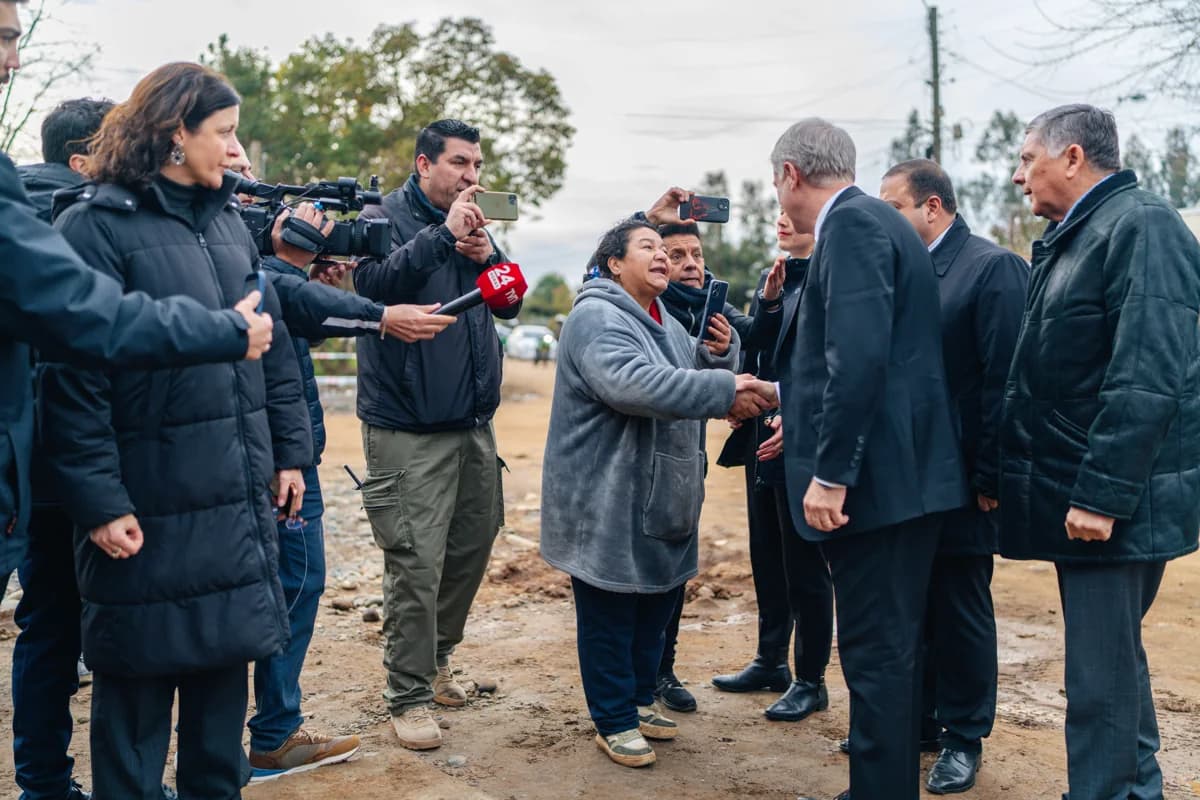
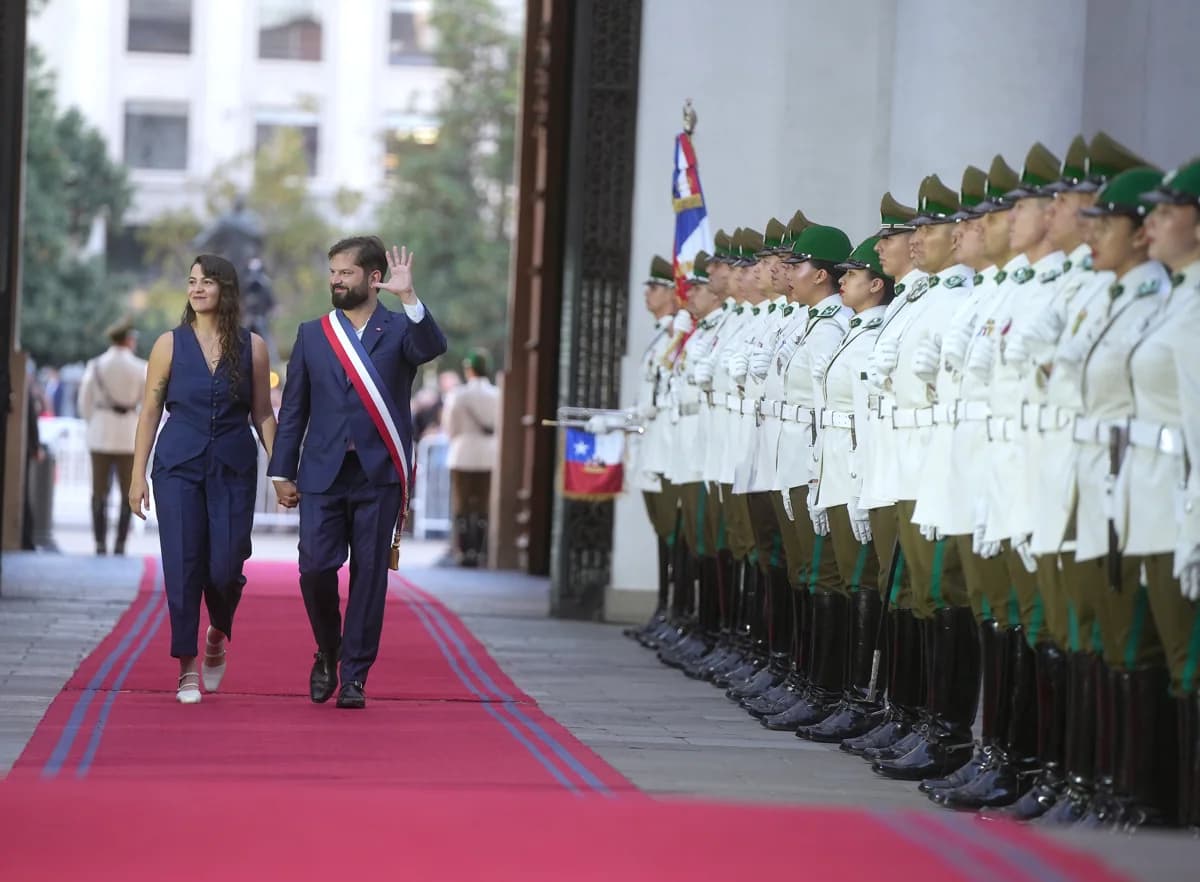
Claudio Alvarado, minister of both the Interior and the General Secretariat of Government (Segegob), called on Democratic Socialism to back the government's security bills. According to Emol, which reproduces an interview with El Mercurio, Alvarado asked the bloc to "behave the same way" it did during Gabriel Boric's administration.
The minister posed the question directly. "Which political sector supported security bills under the previous government?" he said. He then asked whether it was the Broad Front (FA) and the Communist Party (PC), which led that government, or Democratic Socialism, which joined it to collaborate.
His conclusion was clear. "If common sense and logic prevail, Democratic Socialism should behave the same way on security issues as it did under the previous government," Alvarado said.
The appeal follows a shift by La Moneda. The executive branch agreed to support the constitutional reform on security introduced by senators, instead of the one it originally submitted. Alvarado ruled out a political cost from withdrawing its proposal. He said that, with citizens facing the realities of security in mind, "there should be cross-party support."
The week also saw other legislative milestones. According to the same outlet, the government enacted the National Reconstruction Law, submitted the 2027 Budget Bill to Congress and saw the Rules on the Use of Force (RUF) approved, which regulate how the police and the Armed Forces may act when using force.
All this took place amid emergencies. The debris flow in Las Condes and the "precautionary status" over a possible tsunami in Rapa Nui, following a strong earthquake in Panama, marked days that the minister himself described as "intense."
For the governing coalition, Democratic Socialism's support could determine the fate of the security agenda in Congress. The bloc has yet to respond publicly to the appeal. The full interview appears in the new edition of El Mercurio.